There’s something magical about watching a child discover the wonder of growing things. When tiny hands plant seeds, pull weeds, and harvest cherry tomatoes with pride, they’re not just playing in dirt—they’re developing patience, responsibility, and a lifelong connection to nature. Yet all too often, these little gardeners work at a disadvantage, kneeling on hard ground or perching uncomfortably on adult-sized furniture that dwarfs their small frames. A properly designed kid-sized outdoor bench transforms this experience from a chore into a cherished ritual, giving children their own dedicated space to observe, rest, and engage with their garden on their terms.
The right bench becomes more than just seating—it evolves into a command center for outdoor exploration, a spot for quiet nature observation, and a personal sanctuary where young minds can process the sensory richness of the garden. But not all children’s outdoor furniture is created equal. From material safety to ergonomic design, weather resistance to developmental appropriateness, the choices you make will determine whether this investment becomes a treasured heirloom or a faded plastic eyesore relegated to the side of the shed.
Top 10 Kid-Sized Garden Benches
Detailed Product Reviews
1. DJJYCTNM Kids 2 Seater Garden Patio Childrens Bench with Animal Design, Wooden & Cast Iron Mini Sized Park Outdoor Bench

Overview: This charming two-seater bench blends whimsical animal-themed design with serious durability for children aged 2-8. Combining anti-corrosion wooden slats with a sturdy cast iron frame, it serves as both a playful garden seat and a practical outdoor furniture piece that adults can actually use.
What Makes It Stand Out: The intricate animal carvings on the backrest immediately capture children’s imagination while the impressive 550-pound weight capacity sets it apart from typical flimsy kids’ furniture. The ergonomic armrests and backrest provide genuine comfort, and the weather-resistant construction means it stays outside year-round without deterioration.
Value for Money: At $155.99, this bench sits at the higher end of children’s outdoor furniture, but its dual-purpose functionality justifies the cost. Unlike single-use plastic items, this piece transitions from toddler seating to adult garden furniture, eliminating the need for replacement as children grow.
Strengths and Weaknesses: Strengths include exceptional weight capacity, premium weather-resistant materials, safety-conscious smooth welding, and timeless aesthetic appeal. Weaknesses are the premium price point and limited play value beyond seating—it’s a bench, not an activity center. The animal design may also appeal less to older children.
Bottom Line: Perfect for families seeking durable, attractive outdoor seating that serves both children and adults for years. The craftsmanship and materials make it worth the investment if you prioritize longevity over interactive features.
2. Costzon Kids Potting Bench, Wood Toy Gardening Center with 4 Pots, Chalkboard, Removable Sink, Storage Shelves, Mud Kitchen for Kids Outdoor Play Kitchen, Gift for Boys Girls 3+

Overview: This all-in-one potting bench transforms your backyard into a child-sized gardening station for kids 3 and up. Made from TSCA-certified fir wood, it combines a mud kitchen, sensory play table, and storage center, encouraging hands-on learning through dirt, water, and imaginative play.
What Makes It Stand Out: The remarkable versatility stands out—children can garden, create mud pies, build sandcastles, or engage in sensory exploration. The removable sink makes cleanup easy, while the chalkboard adds an educational element for labeling plants or drawing. ASTM and CPSIA safety certifications provide peace of mind.
Value for Money: At $69.00, this bench delivers exceptional value. It includes four pots, multiple storage tiers, two countertops, and a slatted shelf—essentially a complete outdoor play kitchen at a fraction of the cost of premium brands. Comparable setups often run $100+.
Strengths and Weaknesses: Strengths include multi-functional design, safety certifications, abundant storage, and affordable pricing. The fir wood construction, while durable, requires regular sealing to maintain weather resistance. Assembly instructions could be clearer, and the wood may show wear faster than hardwood alternatives.
Bottom Line: An outstanding budget-friendly choice that doesn’t compromise on features or safety. Ideal for parents wanting to foster a love of nature and creative play without breaking the bank.
3. Merry Garden Kids Wooden Picnic Bench Outdoor Patio Dining Table, 37 x 10.8 x 4.9, Brown
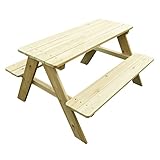
Overview: This straightforward picnic bench offers minimalist functionality for young children. Constructed from Canadian Hemlock, it serves as a compact outdoor dining surface, activity table, or traditional picnic bench. Its simplicity is its defining characteristic—no frills, just basic seating and surface area.
What Makes It Stand Out: The Canadian Hemlock construction provides a step up from common pine, offering better natural resistance to decay. Its convertible functionality between picnic table and activity surface adds versatility for various outdoor activities, from snack time to arts and crafts.
Value for Money: At $65.51, this sits in the mid-range for basic children’s outdoor furniture. You’re paying for solid wood construction without paying for unnecessary features. However, the lack of weatherproofing details or included accessories means additional investment may be needed for longevity and play value.
Strengths and Weaknesses: Strengths include natural wood construction, simple design likely enabling easy assembly, and versatile usage. Weaknesses are the sparse product information, absence of weather resistance treatment, no play features or accessories, and compact size that may not suit growing children.
Bottom Line: Best suited for families seeking a simple, no-nonsense outdoor eating surface for young children. If you want interactive features or confirmed durability, look elsewhere. The vague product details make it a gamble despite the reasonable price.
4. OOOK Potting Bench with Removable Sink, Potting Benches for Outside, Mud Kitchen for Kids Outdoor with Gardening Tools, Watering Can, Flower Pot, Ideal Gift for Boys and Girls 3+, Solid Fir Wood

Overview: This comprehensive potting bench delivers a complete gardening experience for children 3 and up. Constructed from natural fir wood with a well-polished finish, it includes an impressive array of accessories—gardening tools, watering can, flower pots, and a removable sink—creating an instant mud kitchen and planting station that encourages outdoor exploration.
What Makes It Stand Out: The abundance of included accessories eliminates the need for separate purchases, offering immediate play value right out of the box. The clever labeling system on each component streamlines assembly, addressing a common pain point with flat-pack furniture. Compact design suits smaller patios and balconies while maximizing storage through hooks, shelves, and stands.
Value for Money: Priced at $69.99, this bench matches competitors on price while surpassing many on included extras. The accessory bundle alone would cost $20-30 separately, making this an excellent value proposition for parents wanting a ready-to-use setup without hidden costs.
Strengths and Weaknesses: Strengths include comprehensive accessory package, easy-assembly labeling system, compact footprint, and versatile storage options. Weaknesses are the fir wood’s limited natural weather resistance requiring treatment, absence of mentioned safety certifications, and unknown brand reputation compared to established competitors.
Bottom Line: A feature-rich, budget-conscious choice perfect for families wanting maximum accessories and minimal assembly frustration. Just be prepared to apply weatherproofing sealant for longevity and verify stability before heavy use.
5. Martha Stewart Kids Outdoor Potting Bench: Acacia Wood Kids Gardening Set with Pots, Garden Tools, Soil Bin and Open Shelves | Wide Extendable Workspace | Wooden Backyard Playset for Outdoor Activity

Overview: This premium potting bench from Martha Stewart elevates children’s gardening play to a new level of sophistication. Crafted from weather-resistant acacia wood, it features an innovative extendable workspace (36" to 52") with a hidden waterproof soil bin underneath, creating a truly immersive planting experience for young nature enthusiasts.
What Makes It Stand Out: The extendable work surface is a game-changer, accommodating both solo play and collaborative projects. The integrated soil bin keeps mess contained while maintaining a clean appearance. As a Martha Stewart product, it brings trusted brand quality and thoughtful design details like built-in chalkboard, pot cutouts, and child-sized tools that feel genuinely functional rather than toy-like.
Value for Money: At $299.95, this is a significant investment—more than four times the cost of budget alternatives. However, the premium acacia wood construction, innovative extendable design, and brand reputation justify the price for families prioritizing longevity and aesthetics. This is furniture that enhances your outdoor space while serving as a functional play station.
Strengths and Weaknesses: Strengths include exceptional materials, brilliant extendable design, integrated soil bin, comprehensive accessories, and brand credibility. Weaknesses are the premium price point, potential hesitation to let kids get truly messy on such an attractive piece, and weight that makes it less portable.
Bottom Line: Ideal for families who view children’s furniture as a long-term investment in both play and outdoor décor. If budget allows, this bench delivers unmatched quality and innovative features that cheaper alternatives simply cannot match.
6. Vigorange Kids Potting Bench for Outdoor, Fir Wood Gardening Station with Transparent Planter Box, Outside Activity Wooden Table with Sink,Faucet, Garden Accessories, Mud Kitchen for Kids 3+

Overview: The Vigorange Kids Potting Bench transforms backyard gardening into an immersive science lesson for children ages 3 and up. This fir wood station features a transparent planter box that lets young botanists observe root development beneath the soil, turning plant growth into a visible journey. Measuring 35" x 15.4" x 35.2", it provides ample workspace while remaining accessible for preschoolers.
What Makes It Stand Out: The observation window is the star feature—few competitors offer such a clear view of underground plant development. The integrated faucet and functional sink create realistic water play, while the chalkboard invites kids to track growth, draw garden plans, or practice letters. The 3-in-1 design combines planting, climbing trellis, and work surface, supporting everything from herbs to root vegetables.
Value for Money: At $103.99, this sits in the mid-to-premium range for children’s gardening furniture. The transparent planter alone justifies the price premium over basic potting benches. Comparable observation-based learning toys often cost more separately, while this integrates multiple functions into one durable outdoor station that grows with your child’s interests.
Strengths and Weaknesses: Strengths include exceptional educational value, solid fir wood construction with splinter-free surfaces, and versatile 3-in-1 functionality. The transparent window uses sturdy material that withstands outdoor conditions. Weaknesses: assembly requires time and tools, the narrow 15.4" width limits collaborative play for multiple children, and the faucet needs garden hose connection which may not suit all yard setups.
Bottom Line: Perfect for parents prioritizing STEM learning and natural play. The observation window creates magical “aha” moments that basic potting benches can’t match. While pricier than simple mud kitchens, its educational impact and durable construction make it a worthwhile investment for families serious about hands-on science education.
7. HONEY JOY Mud Kitchen, Fir Wood Kids Potting Bench Table, Removable Sink, 4 Planting Cups, Chalkboard, Outdoor Play Kitchen for Toddlers, Garden Time Mud Kitchen for Kids Outdoor Backyard

Overview: The HONEY JOY Mud Kitchen offers an affordable entry point into children’s gardening at $69.00. This compact fir wood station includes four planting cups, a removable sink, and a chalkboard, creating a functional outdoor play center for ages 3-7. Its 28" x 16" x 36" footprint fits smaller patios and balconies while still providing meaningful gardening experiences.
What Makes It Stand Out: The removable sink design simplifies cleaning and converts the station from mud kitchen to dry workspace instantly. Four included planting cups provide ready-to-use containers, eliminating the need for separate pots. The ASTM and CPSIA safety certifications offer peace of mind for cautious parents, while the DIY-friendly surfaces invite painting and personalization.
Value for Money: This is among the most budget-friendly solid wood potting benches available. Competitors with similar features typically run $80-100. The included accessories (cups, chalkboard, tools) add value, though the basic design lacks premium features like observation windows. For families testing their child’s interest in gardening, this minimizes financial risk while maximizing play potential.
Strengths and Weaknesses: Strengths include excellent price point, safety certifications, compact size for small spaces, and versatile removable sink. The two-tier shelving provides decent storage. Weaknesses: no transparent planter limits educational depth, smaller work surface (28") restricts multiple users, and assembly instructions can be unclear. The basic design may not engage older children as long as feature-rich alternatives.
Bottom Line: An ideal starter kit for toddlers and budget-conscious families. It delivers core mud kitchen functionality without frills, making it perfect for younger children or those new to gardening play. While it lacks advanced features, its safety certifications and solid construction make it a smart first investment that can be upgraded later if interest grows.
8. Costzon Mud Kitchen, Kids Potting Bench with Garden Bed & See-Through Window, Trellis, Kids Kitchen Playset w/Sink, Faucet, Storage Shelf, Gardening Toys, Outdoor Play Kitchen for Boys Girls Ages 3+
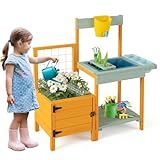
Overview: The Costzon Mud Kitchen bridges the gap between basic and premium children’s gardening stations at $84.99. This fir wood playset features a see-through observation window, integrated trellis, and functional faucet with sink, creating an engaging outdoor learning environment for ages 3+. It combines scientific observation with practical gardening tools in a sturdy package.
What Makes It Stand Out: The transparent window lets kids witness root development, while the climbing trellis supports vertical gardening—a rare combination in this price range. The real working faucet teaches water conservation and responsibility. Included tools (rake, two trowels, three pots) provide everything needed to start immediately, making it a true all-in-one solution.
Value for Money: Positioned between budget and premium options, this offers observation features typically found in $100+ models. The integrated trellis adds vertical growing capability that expands planting possibilities. While $15 more than the HONEY JOY model, the transparent window and trellis justify the upgrade for families wanting enhanced educational value without the Vigorange’s higher price tag.
Strengths and Weaknesses: Strengths include the observation window, functional trellis, real faucet, and comprehensive tool set. The fir wood construction provides weather resistance. Weaknesses: assembly can be time-consuming, the sink drainage system is basic, and storage space is limited to one bottom shelf. The observation window’s durability in harsh weather remains to be tested over multiple seasons.
Bottom Line: A sweet spot for value-seeking parents who want observation features without premium pricing. The trellis and see-through window create richer learning opportunities than basic models, while the tool set adds immediate play value. It’s an excellent middle-ground choice that balances educational features, durability, and affordability for serious young gardeners.
9. HONEY JOY Kids Picnic Table, Outdoor Wooden Bench Set w/Removable Umbrella, Children Backyard Furniture for Patio Garden, Toddler Picnic Table for Outdoors, Gift for Boys Girls, Walnut
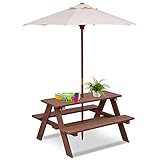
Overview: The HONEY JOY Kids Picnic Table creates a dedicated outdoor dining and activity space for $75.99. This fir wood set includes a table, two benches, and a removable umbrella, accommodating children for meals, crafts, and play. Measuring 35" x 14" x 20" for the table, it seats multiple children comfortably while the 51" umbrella provides essential sun protection.
What Makes It Stand Out: The ground-anchoring umbrella base adds stability rarely seen in kids’ furniture, preventing tipping on windy days. The walnut finish offers a more sophisticated aesthetic than typical primary-colored kids’ furniture, blending with adult patio décor. Annual oil-based paint treatment recommendations show thoughtful long-term maintenance guidance for durability.
Value for Money: This undercuts many comparable wooden picnic sets by $20-30. The removable umbrella adds versatility for indoor/outdoor use, essentially providing two furniture pieces in one. While it lacks cushions, the price point makes it accessible for families wanting quality wooden construction without premium costs. Plastic alternatives may be cheaper but lack this set’s durability and aesthetic appeal.
Strengths and Weaknesses: Strengths include stable umbrella design, attractive walnut finish, solid fir wood construction, and excellent weight capacity (220 lbs table, 110 lbs per bench). The foldable umbrella enhances safety. Weaknesses: no cushions included, requires annual maintenance for optimal longevity, and assembly tools are not provided. The 0.98" umbrella hole limits replacement umbrella options.
Bottom Line: An excellent value for families needing versatile outdoor seating. It transitions seamlessly from snack time to craft time, with the umbrella providing crucial UV protection. While maintenance is required, the sturdy construction and thoughtful design make it a worthwhile investment for regular outdoor use. Perfect for backyards, patios, or even indoor playrooms.
10. HONEY JOY Kids Picnic Table, Outdoor Wooden Table & Bench Set w/Removable Cushions and Umbrella, Stripe Fabric, Children Backyard Furniture for Patio Garden, Gift for Toddler Boys Girls Age 3+(Blue)

Overview: The HONEY JOY Kids Picnic Table at $109.99 upgrades the basic picnic set with comfort features for four children. This fir wood ensemble includes a 35" x 17.5" table, two benches with cushions, and a height-adjustable umbrella. The blue stripe fabric and Oxford cloth cushions create an inviting outdoor dining and activity center for ages 3+.
What Makes It Stand Out: The three-position adjustable umbrella (47"/48.5"/50.5") grows with your children, a standout feature for longevity. Included cushions with high-density sponge filling prioritize comfort during extended play sessions. The 1" umbrella hole and bottom bar design create a secure connection system that anchors the umbrella firmly into soil, enhancing stability beyond standard designs.
Value for Money: While $34 more than its sibling model, the cushions and adjustable umbrella justify the premium. Comparable cushioned sets often exceed $130. The enhanced weight capacity (330 lbs bench, 165 lbs table) suggests superior construction. For families with frequent outdoor gatherings or children who spend hours outside, the comfort upgrade delivers meaningful value.
Strengths and Weaknesses: Strengths include comfortable cushions, adjustable umbrella height, robust weight capacity, and eye-catching design. The umbrella’s dual anchoring system (hole and bottom bar) provides exceptional stability. Weaknesses: higher price point, cushions require cleaning and may fade, and assembly is required. The umbrella must be folded in wind, limiting usability on breezy days.
Bottom Line: The premium choice for comfort-conscious families. If your children spend extended time outdoors, the cushioned seating and adjustable umbrella create a more enjoyable experience that justifies the extra cost. The enhanced stability features provide peace of mind, making this ideal for families who prioritize both safety and comfort in their outdoor furniture investment.
Why Every Young Gardener Needs Their Own Outdoor Bench
Child-sized furniture fundamentally changes how children interact with outdoor spaces. When a three-year-old can sit with their feet flat on the ground and their back supported, they’re able to focus on the task at hand rather than struggling with physical discomfort. This proper positioning allows for longer, more meaningful engagement with gardening activities—crucial for developing attention spans and fostering genuine interest.
A personal bench also cultivates a sense of ownership and belonging in the garden. Children who have “their spot” are more likely to initiate outdoor time independently, develop routines around garden care, and view themselves as capable contributors to the family’s outdoor space. This psychological ownership is a powerful motivator that extends beyond gardening into broader environmental stewardship.
Understanding the Developmental Benefits of Child-Sized Seating
Building Independence and Ownership
When children have furniture designed specifically for their bodies, they experience what occupational therapists call “environmental mastery.” They can sit down and stand up without assistance, reach their tools without asking for help, and make decisions about their workspace. This autonomy builds confidence and self-efficacy—critical components of healthy development that adult-sized furniture simply cannot provide.
Enhancing Focus and Mindful Observation
The garden is a sensory-rich environment that can overwhelm young nervous systems. A stable, comfortable bench provides a secure base from which children can practice focused attention. Whether watching a pollinator visit a flower or waiting patiently for a bean seed to sprout, the physical support of proper seating enables the mental stillness necessary for mindful observation—a skill that benefits academic performance and emotional regulation.
Key Features to Consider When Choosing a Kid-Sized Garden Bench
Material Matters: Wood, Plastic, Metal, and Composite Options
Each material brings distinct advantages and trade-offs. Solid hardwoods like cedar and redwood offer natural rot resistance and aesthetic beauty, but require annual maintenance. Hardwoods from sustainably managed forests provide environmental peace of mind, while softwoods like pine need pressure-treatment that may raise concerns about chemical exposure.
High-density polyethylene (HDPE) plastic benches have evolved far beyond flimsy picnic furniture. Premium options feature UV inhibitors that prevent brittleness and fading, while recycled plastic models offer impressive durability. The key is selecting thick-walled construction—thin plastic flexes and cracks under active use.
Powder-coated aluminum provides lightweight portability and rust resistance, though it can become hot in direct sun. Wrought iron offers heirloom durability but may prove too heavy for children to move independently. Composite wood-plastic blends attempt to combine the best of both worlds but vary widely in quality—look for products with high wood fiber content for better structural integrity.
Safety First: Rounded Edges, Stable Bases, and Non-Toxic Finishes
Examine every surface for potential hazards. The safest benches feature 3/8-inch or larger radius curves on all edges and corners, eliminating sharp points that could cause injury during active play. Stability testing is crucial—a quality bench should support at least 50% more weight than its rated capacity without wobbling.
Finish safety extends beyond lead-free paint. Look for water-based, low-VOC (volatile organic compound) stains and sealants that won’t off-gas harmful chemicals in the heat. For wood benches, ensure the manufacturer uses child-safe preservatives—avoid creosote-treated lumber and verify that pressure-treated options use newer, less toxic alkaline copper quaternary (ACQ) compounds rather than chromated copper arsenate (CCA).
Size and Ergonomics: Getting the Proportions Right
The gold standard for children’s seating follows the “90-90-90 rule”: when seated, the child’s hips, knees, and ankles should each form approximately 90-degree angles. Seat height typically ranges from 9-11 inches for ages 2-4, 11-13 inches for ages 5-7, and 13-15 inches for ages 8-12. The seat depth should allow the child to sit back comfortably while keeping their feet flat—generally 10-12 inches for younger children, increasing proportionally with age.
Backrest height matters more than many parents realize. A 12-14 inch backrest provides adequate support without overwhelming small frames, while a slight 5-10 degree backward tilt encourages relaxed, sustainable posture during longer observation periods.
Weather Resistance and Durability for Outdoor Use
Understanding UV Protection and Fade Resistance
Ultraviolet radiation is the primary destroyer of outdoor furniture, breaking down molecular bonds in plastics and bleaching wood fibers. Quality plastic benches should specify UV8 or higher stabilization—this rating indicates the material can withstand 8,000 hours of accelerated weathering testing, equivalent to several years of direct sun exposure.
For wooden benches, marine-grade spar varnish with UV blockers offers superior protection compared to standard polyurethane. Reapplication every 12-18 months prevents the gray, weathered look that develops when UV rays penetrate the finish and damage lignin in the wood cells.
Waterproofing and Rust Prevention Strategies
Water infiltration causes swelling, warping, and rot in wood, while creating rust in metal hardware. Look for benches with built-in water drainage channels in the seat and stainless steel or zinc-coated hardware rated for exterior use. For wooden benches, ensure the manufacturer has sealed the end grain—the most water-absorbent part of the wood—with multiple coats of finish.
Metal benches should feature welded joints rather than rivets, which can loosen over time. Powder coating should extend to all surfaces, including hidden areas where water might pool. Some premium benches incorporate hidden drainage holes in tubular frames to prevent internal condensation buildup.
Design Elements That Spark Gardening Enthusiasm
Color Psychology in Children’s Outdoor Furniture
Color choice significantly impacts a child’s emotional response to their garden space. Earth tones like sage green and terracotta blend beautifully with natural surroundings while promoting calm, focused energy. Brighter hues—particularly yellows and oranges—stimulate creativity and enthusiasm but may become visually overwhelming in large doses.
Consider involving your child in the color selection process, but guide them toward shades that complement your garden’s palette. A bench in a color they love becomes a destination rather than just furniture, increasing the likelihood they’ll use it for quiet observation and journaling.
Incorporating Nature-Inspired Motifs and Themes
Subtle design elements can reinforce a child’s connection to gardening. Leaf-patterned cutouts in the backrest, ladybug-shaped armrest caps, or vine-inspired scrollwork add whimsy without overwhelming the piece’s functionality. These details should be integrated into the structure rather than applied as decals, which peel and fade.
Some benches feature customizable nameplates or spaces for children to paint their own designs with exterior-grade acrylics. This personalization transforms the bench into a treasured possession they’re motivated to care for properly.
Age-Appropriate Selection: From Toddlers to Tweens
Benches for Ages 2-4: Safety and Simplicity
For the youngest gardeners, simplicity reigns supreme. Benches should have no moving parts, minimal height from the ground, and a wide, stable base that prevents tipping even when climbed on. Weighted designs or ground-anchor compatibility adds security for this age group, where furniture often becomes part of active play.
Look for solid, one-piece construction without small gaps that could pinch curious fingers. The finish should be completely smooth, with no splinters or rough patches that could damage sensitive skin.
Benches for Ages 5-7: Functionality Meets Fun
This age group benefits from added features that support emerging skills. Benches with built-in tool storage compartments or small side tables encourage organization and independence. Some designs incorporate measuring marks on the armrests, allowing children to track plant growth directly from their seat.
Lightweight designs become advantageous here, as children enjoy moving their bench to different garden spots. Look for models weighing 15-25 pounds that offer carrying handles cut into the seat or backrest.
Benches for Ages 8-12: Growing with Your Gardener
Older children need furniture that respects their increasing maturity while acknowledging they remain smaller than adults. Benches in this category should support adult weights (up to 200 pounds) to accommodate growth spurts and the occasional supervising parent. Adjustable-height designs, while rare, offer the ultimate in longevity.
Consider benches with integrated features like clip-on trays for sketching supplies, or designs that convert from seating to kneeling pads for tasks close to the ground. This versatility keeps the bench relevant as gardening skills become more sophisticated.
Multi-Functional Benches: Storage, Tool Racks, and More
The most practical kid-sized benches integrate storage without compromising seating comfort. Lift-top designs reveal compartments deep enough for watering cans, gloves, and seed packets. However, ensure hinges have safety stops that prevent the lid from slamming shut on small fingers.
Some innovative designs feature removable side pouches made from weather-resistant fabric, allowing children to customize their tool organization. Others incorporate built-in ruler markings along the seat edge or magnifying glass holders for close-up insect observation. These thoughtful additions transform passive seating into an active gardening workstation.
Safety Standards and Certifications to Look For
While no single governing body regulates children’s outdoor furniture, several voluntary standards indicate quality manufacturing. ASTM F963 (Standard Consumer Safety Specification for Toy Safety) addresses sharp points, small parts, and toxic substances—worthwhile benchmarks even for non-toy furniture.
For painted finishes, look for CPSIA (Consumer Product Safety Improvement Act) compliance, which restricts lead and phthalates. GREENGUARD Gold certification indicates low chemical emissions, important for children with allergies or sensitivities. European CE marking suggests adherence to strict safety standards, though this is less common on American-made products.
Placement and Positioning in Your Garden Space
Creating Dedicated Garden Zones for Children
Strategic bench placement maximizes both use and developmental benefit. Position the bench near the child’s designated garden plot—ideally within arm’s reach of their growing plants—but not so close that they trample seedlings when sitting down. Consider placing it adjacent to a sensory garden area with interesting textures, scents, and colors to encourage extended observation.
Orient the bench to face interesting natural activity: a butterfly-attracting flower bed, a bird feeder, or a compost bin where decomposition happens visibly. This positioning turns sitting time into learning time, fostering the patience required for scientific observation.
Sun Exposure and Shade Considerations
While some sun exposure helps children produce vitamin D, a bench in constant direct sun becomes uncomfortably hot and encourages sunburn. Position benches where they’ll receive dappled shade during peak afternoon hours, perhaps under the canopy of a small tree or near a trellis with climbing vines.
If natural shade isn’t available, consider a bench with an integrated canopy or purchase a separate child-sized umbrella that fits into a built-in holder. This teaches children to take responsibility for their own sun protection while making the space usable during hotter months.
Budget Considerations: Investment vs. Longevity
Kid-sized benches range from $30 for basic plastic models to $300+ for handcrafted hardwood pieces. While budget constraints are real, consider cost-per-year-of-use rather than initial price. A $150 cedar bench that lasts eight years costs less annually than replacing a $40 plastic bench every two seasons as it becomes brittle and faded.
Mid-range options ($75-$150) often provide the best value, offering solid construction and weather resistance without heirloom pricing. Look for manufacturers offering 3-5 year warranties—these indicate confidence in the product’s durability and provide recourse if materials fail prematurely.
DIY vs. Store-Bought: Making the Right Choice for Your Family
Building a custom bench offers unparalleled personalization and potential cost savings, but requires tools, skills, and time. Simple designs using 1x12 cedar boards and basic joinery can be completed in a weekend for under $50 in materials. Free plans from cooperative extension services often include ergonomic specifications for different age groups.
However, store-bought benches provide professional finishing, tested safety features, and time savings that busy families value. Factory-applied finishes typically outlast DIY paint jobs, and mass-produced designs have been tested for stability by thousands of users. Consider your skill level honestly—an improperly built bench that tips or splinters poses greater risk than a mid-quality manufactured option.
Environmental and Sustainability Factors
The most eco-conscious choice is often durable, long-lasting furniture that won’t need replacement. Beyond that, consider material sourcing. FSC-certified wood ensures sustainable forestry practices. Recycled HDPE benches divert plastic from landfills and require no chemical treatments.
Some manufacturers offer take-back programs, recycling old benches into new products at end-of-life. Locally-made benches reduce transportation emissions and support regional economies. Avoid imported products with vague “eco-friendly” claims that lack third-party certification—these are often greenwashing.
Maintenance and Care Tips for Longevity
Seasonal Storage Solutions
Even the most weather-resistant bench benefits from winter storage. If indoor space is limited, store benches upside-down to prevent water accumulation, or cover them with breathable furniture covers (never plastic tarps, which trap moisture). Elevate the bench off concrete surfaces that wick moisture into wood fibers.
For families in mild climates, simply moving the bench under a covered patio during the rainy season extends its life significantly. Teach children to participate in this seasonal ritual, reinforcing responsibility for their possessions.
Cleaning and Upkeep Routines
Establish a monthly cleaning routine children can manage with minimal supervision. A soft brush, mild soap, and water suffice for most materials. Avoid pressure washers, which drive water into joints and damage protective finishes. For wooden benches, an annual inspection for splinters or cracks allows for touch-up sanding before problems worsen.
Involve your child in applying a fresh coat of water-based sealant each spring. This not only protects the bench but creates a meaningful tradition that marks the beginning of the gardening season and reinforces the cyclical nature of outdoor care.
Teaching Responsibility Through Bench Ownership
A personal bench provides natural opportunities for teaching maintenance and respect for belongings. Create a simple “bench care checklist” your child can follow: wipe after use, store tools properly, report any damage. This fosters accountability without turning care into a chore.
Consider implementing a “bench agreement” where your child commits to caring for their seat in exchange for choosing its placement or color. This formalizes their responsibility while giving them agency. Over time, this ownership mentality transfers to other tools and eventually to the plants themselves, building the character traits that make successful gardeners.
Frequently Asked Questions
What age is appropriate for a kid-sized garden bench?
Children as young as 18 months can use a stable, low-to-the-ground bench with supervision, though most designs are optimized for ages 2-12. The key is matching the bench’s height and stability to your child’s physical development and ability to sit safely without constant monitoring.
How much weight should a quality kid’s bench support?
Look for benches rated for at least 150 pounds, even for toddler models. This ensures the bench can handle rough play, multiple children, and occasional adult use. Premium benches for older children should support 200-250 pounds, accommodating growth spurts and providing safety margins.
Can I leave a wooden bench outside year-round?
While possible with proper treatment, it’s not recommended. Even rot-resistant woods last significantly longer with seasonal protection. If year-round outdoor storage is necessary, elevate the bench, ensure excellent drainage, and apply a marine-grade finish with UV inhibitors.
What’s the safest material for very young children?
High-density polyethylene (HDPE) plastic offers the best combination of safety and durability for ages 2-4. It has no splinters, remains stable when wet, and withstands cleaning with bleach solutions. Ensure the plastic is BPA-free and contains UV stabilizers.
How do I know if a bench is ergonomically correct for my child?
Have your child sit on the bench with their back against the backrest. Their feet should rest flat on the ground with knees bent at 90 degrees, and they should be able to sit upright without slouching or perching on the edge. Their thighs should be fully supported without pressing against the seat front.
Are painted benches safe for kids who might chew on them?
Only if the paint is non-toxic, water-based, and certified for toy safety (ASTM F963). However, any painted surface will eventually chip. For teething toddlers, unfinished food-grade oil finishes on hardwood or naturally safe HDPE plastic are better choices.
What’s the ideal bench placement relative to the garden beds?
Position the bench within 3-5 feet of the child’s primary garden area—close enough for easy tool access but far enough to prevent soil compaction near plants. Place it where the child can view their garden without casting shade on sun-loving plants.
How often should I reseal a wooden garden bench?
In most climates, apply a fresh coat of water-based sealant annually. In harsh sun or coastal areas with salt air, increase to every 6-8 months. Perform a simple water droplet test—if water beads up, the finish is still effective; if it soaks in, it’s time to reseal.
Can a garden bench help with my child’s screen time concerns?
Absolutely. A comfortable, personalized outdoor seat creates an inviting alternative to indoor screens. Children who have their own garden “station” are significantly more likely to choose outdoor activities, especially when the bench supports activities like nature journaling, sketching, or reading garden-themed books.
What’s the best way to clean bird droppings or tree sap from a kid’s bench?
For plastic benches, warm soapy water and a soft brush remove most messes. For wood, use a plastic scraper to remove solids gently, then clean with a damp cloth and mild detergent. Avoid harsh chemicals that could damage finishes or harm children. A baking soda paste works well for stubborn stains on both materials.