Your greenhouse is only as good as its ventilation system. While roof vents get most of the attention, side louver windows are the unsung heroes that create the cross-ventilation essential for healthy plant growth. Whether you’re battling summer heat spikes or managing humidity during propagation, the right louver windows can transform your growing environment from mediocre to exceptional.
But here’s the challenge: not all louver windows are created equal. The difference between a basic model and a precision-engineered ventilation solution can mean the difference between thriving crops and constant climate struggles. This comprehensive guide dives deep into what separates exceptional greenhouse louver windows from the rest, empowering you to make informed decisions based on your specific growing needs, climate conditions, and operational preferences.
Top 10 Greenhouse Louver Windows for Side Ventilation
Detailed Product Reviews
1. Palram Side Louvre Window

Overview: The Palram Side Louvre Window is a purpose-built ventilation panel designed exclusively for Palram greenhouse models. This manual system replaces existing polycarbonate panels, integrating seamlessly into the greenhouse structure. Operated via an interior handle, it allows precise control over airflow, making it ideal for gardeners who want reliable, adjustable ventilation without complex mechanisms.
What Makes It Stand Out: Unlike aftermarket add-ons, this louvre is engineered specifically for Harmony, Mythos, Hybrid, Octave, Essence, Balance, and Americana greenhouses. The panel-replacement design maintains structural integrity and aesthetic consistency. The manual operation eliminates dependency on power sources or delicate automatic components, ensuring reliability season after season.
Value for Money: At $99.99, this sits in the mid-range for branded greenhouse accessories. While generic vents cost less, the perfect fit and guaranteed compatibility justify the premium. The one-year limited warranty and durable construction offer peace of mind, though the manual operation means no automation benefits.
Strengths and Weaknesses: Pros include seamless integration with Palram structures, straightforward installation, robust manual control, and no power requirements. Cons are its limited compatibility (Palram only), lack of automatic operation, and relatively high cost compared to universal vents.
Bottom Line: For Palram greenhouse owners seeking reliable side ventilation that preserves their structure’s integrity, this louvre window is a worthwhile investment despite its premium price and manual-only operation.
2. YAGEANNL 18 Inch Automatic Gravity Shutter Louver Vent, Aluminum Exhaust Shutters Louver for Windows Outside, Home Attics, Greenhouse Vent

Overview: The YAGEANNL 18-Inch Automatic Gravity Shutter Louver Vent offers passive ventilation for greenhouses, attics, and workshops. Constructed from corrosion-resistant aluminum, this vent features ten blades that automatically open with airflow and close via gravity when airflow stops. Measuring 20.7 x 20.7 x 1.8 inches, it’s designed for external mounting and provides weather protection without electrical components.
What Makes It Stand Out: The gravity-operated mechanism is brilliantly simple—blades open automatically when exhaust fans activate and close securely when deactivated. This creates a complete seal against wind, rain, and insects. The high-quality aluminum construction ensures longevity in harsh outdoor conditions while maintaining a clean, professional appearance.
Value for Money: Priced at $49.99 for a single unit, this vent offers solid value for DIY ventilation systems. However, it’s crucial to note this includes only the shutter—no fan or motor. For a complete system, you’ll need additional components, making the total investment higher than the initial price suggests.
Strengths and Weaknesses: Pros include durable aluminum build, automatic operation without power, effective weather sealing, and versatile applications. Cons are the need for a separate exhaust fan, limited temperature control, and sizing constraints that may not fit all greenhouse configurations.
Bottom Line: An excellent choice for builders creating custom ventilation systems, provided you pair it with an appropriately sized fan and understand it’s a component, not a complete solution.
3. Rion Canopia by Palram Side Louver Window

Overview: The Rion Canopia by Palram Side Louvre Window is a premium ventilation accessory engineered specifically for Rion greenhouse models. This manual side window increases airflow and works synergistically with existing roof vents to regulate internal temperatures. The adjustable interior shutters provide variable airflow control, allowing gardeners to fine-tune ventilation based on daily conditions.
What Makes It Stand Out: As an official Rion accessory, this louvre guarantees perfect compatibility across all Rion greenhouse models. The design philosophy emphasizes integration rather than addition—replacing panels rather than bolting on external components. This approach preserves the greenhouse’s structural aesthetics while significantly improving air circulation when combined with roof ventilation.
Value for Money: At $119.00, this commands a premium price point. The cost reflects its branded nature and assured compatibility. While universal alternatives exist at lower prices, the seamless fit and designed-for-purpose engineering justify the investment for Rion owners who prioritize performance and appearance over budget.
Strengths and Weaknesses: Pros include perfect Rion integration, effective temperature regulation when paired with roof vents, durable construction, and manual reliability. Cons are the high price, lack of automation, and brand exclusivity that offers no value for non-Rion greenhouse owners.
Bottom Line: Essential for dedicated Rion greenhouse gardeners seeking optimized ventilation without compromising their structure’s design integrity, though budget-conscious buyers may explore universal options.
4. Auto Vent Opener Automatic Greenhouse Window Opener Cylinder Roof Vent Opener Autovent Kit Solar Heat Sensitive Agriculture Gardening Tools Automatic Greenhouses Supplies (Single Spring Lifts 15 Lbs)

Overview: This Auto Vent Opener provides automated greenhouse ventilation using solar heat-sensitive technology. The device employs a wax-filled cylinder that expands when temperatures rise between 77-86°F, automatically opening windows up to 18 inches and supporting loads up to 15 pounds. Constructed from rust-resistant aluminum and stainless steel, it’s designed for humid greenhouse environments and requires no electricity.
What Makes It Stand Out: The non-electric, temperature-responsive operation is elegantly simple. It reacts automatically to rising temperatures, providing hands-free ventilation that prevents heat stress. The universal design fits most greenhouse windows, and the manual adjustment allows stepless control over opening angles, letting users customize ventilation response.
Value for Money: At $27.59, this opener delivers exceptional value. It transforms any manual window into an automated system for less than the cost of a single premium plant. Competing automated systems often cost twice as much, making this an accessible entry point for gardeners seeking automation without complexity.
Strengths and Weaknesses: Pros include affordable automation, eco-friendly operation, easy installation, and durable materials. Cons are the modest 15-pound weight limit, limited 18-inch opening range, and temperature range that may not suit all climates or plant requirements.
Bottom Line: An outstanding budget-friendly solution for automating small to medium greenhouse windows, perfect for gardeners wanting reliable temperature control without electrical installations.
5. KOXXUD Greenhouse Vent Window Opener, Upgrade Greenhouse Vent Automatic Opener with The Load of 15 kgs / 33 lbs to Automatically Open and Close The Greenhouse Window and Roof
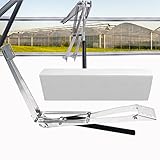
Overview: The KOXXUD Greenhouse Vent Window Opener upgrades automatic ventilation with a robust double-spring design capable of lifting 33 pounds. This enhanced mechanism addresses single-spring limitations by using aluminum alloy construction that resists rust while delivering greater thrust. The eco-friendly system automatically opens and closes vents as temperature and air pressure change, maintaining optimal growing conditions without electricity.
What Makes It Stand Out: The double-spring configuration more than doubles the lifting capacity compared to standard openers, enabling use with heavy wooden windows or multiple panels simultaneously. This expanded capability broadens application possibilities significantly. The upgraded materials eliminate rust concerns common with painted iron alternatives, ensuring smoother operation and longer service life in moist greenhouse environments.
Value for Money: At $26.99, this opener is competitively priced while offering superior performance. The increased weight capacity and durable aluminum construction provide more value than single-spring alternatives at similar price points. It’s an economical way to automate heavier windows that cheaper openers cannot manage.
Strengths and Weaknesses: Pros include impressive 33-pound capacity, rust-resistant aluminum build, eco-friendly operation, and affordability. Cons involve potentially complex installation on non-standard windows and temperature activation points that may require seasonal adjustment.
Bottom Line: The ideal choice for greenhouse owners with heavy windows seeking reliable, powerful automation at a budget-friendly price point, outperforming single-spring competitors.
6. ORORANY Greenhouse Vent Automatic Opener, Solar Heat Sensitive Roof Vent Opening Kits, Auto Ventilation Window Opener Agriculture Greenhouse Accessories Lifts 15 Lbs
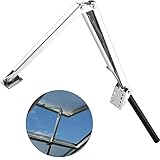
Overview: The ORORANY Greenhouse Vent Automatic Opener delivers solar-powered temperature control for greenhouse enthusiasts seeking hands-free ventilation. This eco-conscious device automatically responds to heat buildup, opening vents up to 18 inches at a 30-degree angle without requiring electricity or batteries, ensuring optimal growing conditions through passive climate management.
What Makes It Stand Out: Its aluminum spray-painted cylinder provides exceptional durability and rust resistance while maintaining an attractive appearance that complements most greenhouse designs. The opener lifts up to 15 pounds, making it suitable for standard greenhouse vents. Installation is straightforward with the comprehensive kit and detailed manual, appealing to DIY gardeners who want immediate functionality without professional assistance.
Value for Money: At $19.99, this represents outstanding value for automated greenhouse management. Comparable electric systems cost significantly more and require ongoing power consumption. The solar operation eliminates utility costs entirely, making it a smart long-term investment for hobby greenhouse owners who want reliable performance without recurring expenses or complex wiring.
Strengths and Weaknesses: Strengths include zero operating costs, weather-resistant construction, and true set-it-and-forget-it functionality. The 30-degree opening angle provides adequate airflow for most applications. Weaknesses include the 15-pound weight limit, which may require multiple units for larger vents, and potential performance variations in extremely cloudy climates. The cylinder design, while durable, may not match the aesthetic of premium greenhouse fixtures.
Bottom Line: An affordable, reliable entry point into automated greenhouse climate control. Perfect for hobbyists wanting to prevent overheating without complexity or ongoing expenses.
7. Forestchill Dryer Vent Window Kit, 4" Window Vent Kit with Dryer Vent Cover, Fits 4 Inch Hose Window Ventilation, Fits Sliding Windows and Hung Windows

Overview: The Forestchill Dryer Vent Window Kit solves a common apartment and home dilemma: how to vent a dryer without permanent wall installation. This 4-inch diameter system fits standard dryer hoses and adapts to sliding or hung windows ranging from 16.5 to 47 inches, providing a flexible ventilation solution for renters and homeowners alike.
What Makes It Stand Out: Three adjustable sealing panels create a customizable fit for various window sizes, while the integrated vent cover prevents rain, wind, and pests from entering. The removable nylon filter screen catches lint before it becomes a clogging hazard, addressing a key maintenance concern that many competing products overlook. This thoughtful addition significantly reduces fire risks and improves dryer efficiency.
Value for Money: Priced at $26.99, this kit offers significant savings compared to professional dryer vent installation. The durable PVC construction ensures longevity, while the removable design makes it ideal for renters who can’t modify their living space permanently. The included filter screen eliminates the need for separate lint traps, adding unexpected value to an already reasonably priced package.
Strengths and Weaknesses: Major strengths include versatility across window types, straightforward installation, and effective weather protection. The filter screen is a thoughtful addition that simplifies maintenance. The primary weakness is incompatibility with casement windows, limiting its application. Some users may find the PVC appearance less aesthetically pleasing than permanent solutions, and the seal may require occasional adjustment for optimal performance.
Bottom Line: A practical, renter-friendly solution for dryer ventilation needs. Highly recommended for those seeking temporary yet effective venting without structural modifications.
8. BIBISTORE Solar Automatic Window Opener for Greenhouse Heat Sensitive Auto Greenhouse Vent Opener Greenhouse Accessories Hothouse Roof Vent Kit-Lifts 15 Lbs
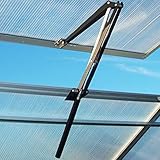
Overview: The BIBISTORE Solar Automatic Window Opener provides robust climate control for greenhouse owners facing challenging weather conditions. This heat-sensitive device operates solely on solar energy, automatically adjusting ventilation based on temperature fluctuations without electrical wiring, making it ideal for remote or off-grid greenhouse operations.
What Makes It Stand Out: The black powder-coated frame offers enhanced corrosion resistance while providing a sleek, professional appearance. Thicker steel construction specifically addresses windy mountain area concerns, resisting twist and deformation that can compromise lesser models. Both clamps and screws are included for flexible mounting options, accommodating various greenhouse frame designs without requiring additional hardware purchases.
Value for Money: At $29.39, this opener sits in the mid-range price point but delivers premium durability. The reinforced design prevents costly replacements in harsh environments, making it more economical long-term than cheaper alternatives that might fail in strong winds. For greenhouse owners in exposed locations, the modest price premium pays for itself through extended lifespan.
Strengths and Weaknesses: Strengths include superior wind resistance, sturdy materials, and complete installation hardware. The solar operation remains reliable across various conditions. Potential weaknesses include the black coating absorbing additional heat, which might affect temperature sensitivity slightly. The steel construction, while stronger, adds weight compared to aluminum alternatives. Limited color options may not suit all greenhouse aesthetics.
Bottom Line: An excellent choice for greenhouse owners in windy or mountainous regions. The reinforced design justifies the modest price premium for those needing extra durability.
9. Window Opener, Louver Opener Automatic Window Opener Aluminium Universal Auto Greenhouse Vent Opener Greenhouse Solar Auto Vent Opening Tool for Cold Frame Blind Window

Overview: This Automatic Louver Opener addresses a specific niche: automated ventilation for louver and blind-style greenhouse windows. Constructed from high-quality aluminum, it provides temperature-responsive operation without requiring electricity or batteries, offering precise climate control for specialized greenhouse configurations.
What Makes It Stand Out: Unlike standard roof vent openers, this unit is specifically engineered for side louver windows, automatically adjusting them as temperatures change. The integrated spring and support bar system offers additional wind protection, preventing damage during gusty conditions. Universal compatibility allows installation in middle or side positions, providing flexibility for various window configurations and plant layouts.
Value for Money: At $35.49, it’s priced higher than basic roof vent openers, but its specialized function justifies the cost for greenhouse owners with louver ventilation systems. The durable aluminum construction ensures longevity, while the wind-protection features prevent costly window damage. For targeted applications, this premium over generic models delivers specific performance that generic alternatives cannot match.
Strengths and Weaknesses: Key strengths include precise louver window compatibility, robust aluminum build, and enhanced wind resistance. The versatile mounting options accommodate various window configurations. The main weakness is its limited application—only suitable for louver windows, not standard roof vents. The higher price point may deter those with mixed ventilation types. Some users might find the installation slightly more complex than basic vent openers due to positioning options.
Bottom Line: Essential for greenhouses equipped with louver windows. If your setup includes side louvers, this specialized opener delivers targeted performance that generic models cannot match.
10. Amylove 2 Pcs Dual Spring Automatic Roof Vent Opener Greenhouse Accessories Solar Greenhouse Heater Sensitive Ventilation Kit Automatic Window Vent Opener Replacement for Gardening
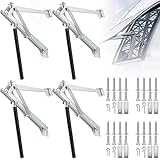
Overview: The Amylove Dual Spring Automatic Roof Vent Opener comes as a convenient two-pack, providing comprehensive ventilation control for larger greenhouses or multiple vent locations. Each unit utilizes solar heat sensitivity to automatically regulate temperature between 15-25°C, maintaining optimal growing conditions without manual intervention or electrical connections.
What Makes It Stand Out: The dual spring design delivers enhanced thrust force and stability, specifically engineered for windy conditions and mountainous areas where single-spring models might struggle. The aluminum alloy construction resists rust while maintaining lightweight durability. Clear temperature specifications (opens at 25°C, closes at 15-18°C) allow precise climate planning for sensitive plant varieties.
Value for Money: At $49.99 for two units, this package offers excellent value at approximately $25 per opener. The premium materials and reinforced design typically cost more individually, making this bundle economical for greenhouse owners needing multiple ventilation points. The wind-resistant features prevent costly failures in exposed locations.
Strengths and Weaknesses: Strengths include the wind-resistant dual springs, corrosion-proof aluminum alloy, and included installation accessories for both units. The temperature range is ideal for most plant cultivation. Potential weaknesses include the higher upfront cost compared to single units and possible overkill for small, sheltered greenhouses. The temperature range is fixed, lacking adjustability for specialized plants requiring different climate parameters.
Bottom Line: Outstanding value for greenhouse owners needing reliable, wind-resistant ventilation across multiple vents. The two-pack bundle is perfect for medium to large greenhouses in exposed locations.
Why Side Ventilation Is a Game-Changer for Greenhouse Management
Side ventilation works on a fundamentally different principle than roof ventilation alone. While hot air naturally rises and escapes through roof vents, side louver windows harness horizontal air movement to create powerful cross-ventilation patterns. This lateral airflow eliminates stagnant pockets where fungal diseases thrive and ensures every plant receives fresh CO₂-rich air.
The strategic placement of side vents allows you to manage temperature gradients throughout your greenhouse’s vertical profile. During shoulder seasons, when temperature swings are dramatic, side louvers provide fine-tuned control that roof vents simply cannot match. You can maintain lower bench-level temperatures while allowing heat to escape above, creating microclimates tailored to different plant species.
Understanding Louver Windows: Core Principles
Louver windows consist of parallel slats that rotate to open and close, offering variable airflow control unlike fixed vents. Their design principle dates back centuries, but modern greenhouse applications have evolved significantly with advanced materials and automation.
The Science Behind Effective Air Exchange
Effective ventilation isn’t just about opening a hole—it’s about creating pressure differentials. When wind strikes your greenhouse, it creates positive pressure on the windward side and negative pressure on the leeward side. Well-designed louver windows capitalize on this phenomenon, with intake vents positioned to catch prevailing winds and exhaust vents placed on the opposite wall. The angle of each louver blade determines both airflow volume and rain exclusion capability, typically optimized between 15-30 degrees for greenhouse applications.
Manual vs. Automated Systems: Making the Right Choice
Manual systems rely on hand cranks or push rods, offering simplicity and zero energy consumption. They’re ideal for hobby greenhouses where you’re present daily to monitor conditions. However, they demand constant attention during unpredictable weather.
Automated systems use temperature-sensitive actuators, electric motors, or pneumatic cylinders to respond instantly to climate changes. The investment pays for itself when you consider crop losses prevented during unexpected heatwaves or when you’re away. For commercial operations, automation isn’t optional—it’s essential for consistency and labor efficiency.
Material Selection: Balancing Performance and Longevity
Your choice of materials directly impacts thermal performance, maintenance requirements, and lifespan. Each option presents distinct trade-offs between initial cost and long-term value.
Aluminum Frames: The Professional’s Choice
Extruded aluminum frames dominate commercial greenhouse construction for good reason. They resist corrosion, maintain structural integrity under temperature fluctuations, and support larger pane sizes without warping. Look for thermally broken aluminum frames that include a polyamide strip between interior and exterior sections—this reduces heat transfer and prevents condensation formation on the frame itself. Powder-coated finishes should meet AAMA 2604 standards for durability in agricultural environments where chemical exposure is common.
Polycarbonate vs. Glass Louvers: Transparency Trade-offs
Polycarbonate panels offer superior impact resistance and natural UV filtering, protecting tender seedlings from intense solar radiation. Twin-wall polycarbonate provides insulation value (R-values around 1.7) but can yellow over time with cheaper formulations. Specify panels with UV-resistant coatings and a minimum 10-year warranty against yellowing.
Glass louvers deliver unparalleled clarity and longevity—properly maintained glass lasts decades. Tempered safety glass is non-negotiable for greenhouse applications, but consider low-iron glass (Starphire or similar) for maximum light transmission if you’re growing light-hungry crops. The downside? Weight and fragility during installation require more robust framing and careful handling.
Wood Frame Considerations: Classic Appeal, Modern Challenges
Wood frames offer aesthetic warmth but demand rigorous maintenance in humid greenhouse environments. If you choose wood, specify rot-resistant species like cedar or redwood, and ensure all surfaces are factory-treated with fungicidal preservatives. Modern composite wood-aluminum hybrids provide the best of both worlds—wood interiors for aesthetics and aluminum exteriors for weather resistance.
Sizing and Strategic Placement
Undersized ventilation is the most common mistake in greenhouse design. Industry standards recommend total ventilation area equal to 15-20% of your floor area, with side louvers comprising at least half of this total for effective cross-ventilation.
Calculating Your Ventilation Requirements
Begin with your greenhouse’s volume: length × width × average height. For active ventilation, you need the ability to exchange this entire volume every 1-2 minutes during peak summer conditions. Each louver window model has a CFM (cubic feet per minute) rating at specific wind speeds. In calm conditions, rely on the free area calculation—total open area when louvers are fully extended. A 2×4 foot louver typically provides 4-5 square feet of free area when fully open.
Optimal Positioning for Thermal Dynamics
Install intake louvers 12-18 inches above bench height to draw in cooler outside air without creating direct drafts on plants. Position exhaust louvers near the opposite wall’s peak to pull hot air from the greenhouse’s upper strata. For gutter-connected greenhouses, stagger louver placement between bays to prevent short-circuiting airflow patterns that bypass the growing area.
Automation and Smart Control Systems
Modern automation transforms louver windows from passive openings into active climate management tools. The sophistication of your control system should match your crop value and labor availability.
Thermostatic Controls for Hands-Free Operation
Wax-cylinder actuators remain the most reliable for basic automation—temperature changes cause wax expansion, pushing the louvers open without electricity. They’re failsafe and inexpensive but offer no adjustability beyond initial calibration. For precision, electronic thermostats with programmable setpoints allow different opening temperatures for day and night cycles, crucial for orchids and other sensitive crops.
Solar-Powered Solutions for Off-Grid Greenhouses
Solar-powered actuators with battery backup provide complete energy independence. A 20-watt panel can power multiple actuators, with batteries storing enough charge for 3-5 days of cloudy operation. These systems typically include light sensors that close louvers at dusk, preventing heat loss and improving security. For remote locations, cellular-enabled controllers send alerts if windows malfunction.
IoT Integration: The Future of Climate Management
Smart controllers now integrate louver operation with exhaust fans, evaporative coolers, and shade systems through platforms like Priva or Argus. Machine learning algorithms analyze historical data to predict optimal opening sequences. Imagine your system recognizing that Tuesday afternoons typically bring strong westerly winds, automatically adjusting louver angles to prevent wind damage while maximizing ventilation.
Weatherproofing and Structural Integrity
A louver window that leaks during storms or buckles under snow load is worse than no ventilation at all. Understanding weather resistance specifications prevents costly failures.
Critical Sealing Technologies
Look for closed-cell foam gaskets between louver blades and frame—open-cell foam absorbs moisture and deteriorates quickly. The best systems use dual-seal technology: a primary compression seal and secondary drip rail that channels water away. For hurricane-prone regions, specify windows tested to ASTM E1886 and E1996 standards for missile impact and cyclic wind pressure.
Understanding Wind Load and Snow Ratings
Wind load ratings, expressed in PSF (pounds per square foot), should exceed your local building code requirements by 20%. A typical residential greenhouse needs louvers rated for at least 20 PSF, while commercial structures in open terrain may require 40+ PSF. Snow load matters even for vertical windows—drifting snow can accumulate surprisingly high. Check the manufacturer’s snow load rating, especially for installations above 3,000 feet elevation.
Installation Best Practices
Proper installation determines performance more than the window quality itself. Even premium louvers underperform if installed incorrectly.
DIY Feasibility vs. Professional Expertise
Hobby greenhouse owners can install manual louver windows using basic carpentry skills and manufacturer templates. The critical factor is maintaining perfect squareness—diagonal measurements must match within 1/8 inch. For automated systems involving electrical work or structural modifications, professional installation pays dividends through warranty preservation and code compliance.
Structural Modifications and Framing Needs
Retrofitting louvers into existing greenhouse walls requires careful assessment of stud spacing and header support. Most aluminum louver windows need a double-stud rough opening with a structural header rated for the removed wall section’s load. For polycarbonate greenhouses, use H-profiles to frame the opening and prevent panel creep. Never cut through structural tubes in aluminum greenhouse frames without consulting an engineer.
Maintenance Protocols for Maximum Lifespan
Neglected louver windows become stuck, leaky, and ultimately useless. Implement a quarterly maintenance schedule to protect your investment.
Material-Specific Cleaning Methods
Aluminum frames need annual cleaning with mild detergent and water—avoid pressure washers that can force water past seals. For polycarbonate, use only soft cloths and cleaners specifically formulated for plastics; ammonia-based glass cleaners cause micro-cracking. Glass louvers tolerate stronger cleaners but inspect seals for chemical degradation.
Mechanism Maintenance and Lubrication
Gear-driven operators require lithium grease on metal gears every six months. Pneumatic actuators need filter cleaning and condensate draining monthly during humid seasons. For manual systems, silicone spray on pivot pins prevents galling. Always cycle windows through full range of motion after lubrication to distribute evenly.
Budget Planning and Value Assessment
Price shopping for louver windows often leads to false economies. Evaluate total cost of ownership over the expected lifespan.
Initial Investment vs. Long-Term Savings
Basic manual aluminum louvers cost $150-300 per unit, while automated versions run $400-800. However, automated systems can prevent $1,000+ crop losses from a single heat event. Factor in energy savings too—proper ventilation reduces fan runtime by 40-60% during shoulder seasons. Over a 15-year lifespan, premium automated louvers typically cost less per year than replacing budget manual units every 5 years.
Warranty Evaluation Criteria
Read warranties carefully—many exclude “agricultural environments” or require professional installation for validity. Look for 10-year coverage on frames, 5 years on mechanisms, and 2 years on electronics. The best manufacturers offer prorated coverage on polycarbonate panels against yellowing. Be wary of lifetime warranties with fine print requiring registration and annual professional inspections.
Seasonal Optimization Strategies
Louver windows must adapt to dramatically different conditions between summer and winter. Static installations underperform dynamic systems that accommodate seasonal changes.
Winterization Techniques for Louver Windows
In cold climates, remove and store manual operators to prevent freeze damage. Install insulated covers over louvers during deep winter months—magnetic polycarbonate panels work well for this. For automated systems, recalibrate thermostats to open at higher temperatures (80-85°F) to prevent chilling plants while still managing humidity spikes on sunny winter days.
Summer Performance Maximization
During extreme heat, supplement louver ventilation with shade cloth deployed on the exterior—this reduces solar gain before it enters the greenhouse. Some advanced louver systems include integrated shade screens that deploy automatically when windows open beyond 50%. Position evaporative cooling pads upwind of intake louvers to pre-cool incoming air, boosting cooling efficiency by 30%.
Troubleshooting Common Operational Issues
Even premium systems develop problems. Understanding root causes prevents unnecessary replacements.
Addressing Mechanical Failures
Louvers that stick halfway typically suffer from thermal expansion binding—check that frame-to-blade clearance meets manufacturer specs, usually 1/16 inch. Grinding noises indicate worn gears in operators; replace immediately before failure cascades to the motor. If windows drift closed after opening, the actuator’s holding brake has failed, requiring replacement.
Managing Condensation and Humidity
Excessive condensation on louver blades signals inadequate ventilation or improper sealing. Install hygrometers near windows to monitor relative humidity—levels above 85% require longer opening durations. For persistent issues, consider adding a small circulation fan directed at the window interior to keep air moving across the surface.
Environmental Considerations and Sustainability
Sustainable greenhouse operation extends beyond plant cultivation to the infrastructure itself. Louver windows impact your environmental footprint significantly.
Energy Efficiency Metrics
Look for windows with air leakage ratings below 0.3 cfm/sq ft at 25 mph wind speed. The NFRC (National Fenestration Rating Council) label provides U-factor and SHGC (Solar Heat Gain Coefficient) values. For heating-dominated climates, prioritize low U-factors (below 0.35). For cooling-dominated climates, SHGC below 0.40 prevents excessive solar gain.
Eco-Friendly Material Options
Recycled aluminum frames reduce embodied energy by 95% compared to virgin aluminum. Some manufacturers now offer bio-based polycarbonate made from castor oil derivatives. For the ultimate sustainable option, consider FSC-certified wood frames with natural oil finishes rather than chemical preservatives—just be prepared for more frequent maintenance.
Frequently Asked Questions
1. How many louver windows does my greenhouse actually need?
Calculate 15-20% of your floor area for total ventilation, with side louvers providing at least half. A 10×12 foot greenhouse (120 sq ft) needs 18-24 sq ft of total ventilation, meaning 9-12 sq ft should be side louvers. Two 3×4 foot louvers (12 sq ft total) typically suffice for this size.
2. Can I automate existing manual louver windows?
Yes, but retrofitting often costs more than replacement. Aftermarket actuators require precise alignment and may void frame warranties. For windows less than 5 years old, check if the manufacturer offers conversion kits. Older windows usually lack the structural reinforcement needed for automated operation.
3. What’s the ideal louver blade angle for maximum airflow?
Fully open to 45 degrees for maximum airflow during extreme heat. However, for daily operation, 15-30 degrees provides the best balance of ventilation and rain protection. Automated systems should modulate between these angles based on temperature differentials.
4. How do I prevent insects from entering through open louver windows?
Install insect screens on the interior side using fine mesh (0.5mm openings) that still allows airflow. Clean screens monthly during peak growing season. For organic operations, consider screens treated with repellents like citronella oil. Automated systems can close windows during peak insect activity hours (dawn and dusk).
5. Are polycarbonate louvers really better than glass for plant growth?
It depends on your crop. Polycarbonate diffuses light, reducing shadows and sunscald—ideal for seedlings and shade-loving plants. Glass provides direct, intense light perfect for fruiting crops like tomatoes. For mixed growing, consider alternating polycarbonate and glass panels within the same window.
6. What’s the typical lifespan of automated louver mechanisms?
Quality electric actuators last 10-15 years with proper maintenance. Pneumatic systems often exceed 20 years but require more frequent servicing. Wax-cylinder actuators last 5-8 years before needing replacement. Always keep spare actuators for critical installations.
7. Can louver windows help with pollination?
Absolutely. Strategic opening creates gentle turbulence that helps distribute pollen in crops like tomatoes and peppers. Open intake and exhaust louvers simultaneously on opposite walls to create cross-breezes of 2-3 mph—strong enough to move pollen without damaging plants.
8. How do I measure for replacement louver windows?
Measure the rough opening, not the existing window. Remove interior trim and measure width and height between framing members in three places each (top, middle, bottom for height; left, center, right for width). Use the smallest measurement and subtract 1/2 inch for installation clearance. Always confirm measurements with manufacturer specs.
9. What’s the best way to clean louver windows without disassembly?
Use a soft-bristle brush attached to an extension pole, working from top to bottom. Apply cleaning solution with a garden sprayer, then rinse with low-pressure water. For interior surfaces, a microfiber duster with flexible head reaches between blades. Never force blades open beyond their normal range for cleaning access.
10. Do louver windows qualify for agricultural tax deductions or grants?
In most jurisdictions, greenhouse infrastructure qualifies for farm equipment depreciation over 7 years. Some USDA programs like the Rural Energy for America Program (REAP) offer grants for energy-efficient ventilation upgrades. Automated louver systems often qualify where manual ones don’t. Consult a tax professional familiar with agricultural operations and keep detailed installation receipts.