Every spring and fall, a miraculous journey unfolds across North America as millions of monarch butterflies undertake one of nature’s most remarkable migrations. These iconic orange and black travelers navigate thousands of miles between their breeding grounds and winter sanctuaries, a multigenerational odyssey that depends entirely on one humble plant: milkweed. As monarch populations face alarming declines due to habitat loss, climate change, and pesticide use, home gardeners have become unexpected heroes in conservation efforts. But not all milkweed seeds are created equal, and choosing the right ones can mean the difference between creating a thriving monarch waystation and planting a well-intentioned but ineffective garden patch.
The butterfly milkweed (Asclepias tuberosa) has emerged as a superstar in monarch conservation, prized for its vibrant orange blooms and robust growth habits. However, navigating the world of milkweed seeds requires more than grabbing the first packet you see at the garden center. Understanding seed provenance, species compatibility, germination requirements, and sustainable sourcing practices transforms casual planting into impactful conservation. Whether you’re planning a small urban balcony container or restoring acres of rural habitat, making informed decisions about your butterfly milkweed seeds ensures your efforts genuinely support monarch survival.
Top 10 Butterfly Milkweed Seeds for Monarch Migration
Detailed Product Reviews
1. Seed Needs Milkweed Seeds for Planting a Butterfly Garden to Attract Monarch Butterflies - Collection of Pink, Orange & White Asclepias Milk Weed Variety Pack (5 Packs)
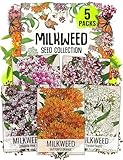
Overview: This comprehensive collection from Seed Needs offers five distinct milkweed varieties specifically curated to create a vibrant monarch butterfly sanctuary. The assortment includes Showy, Pink Swamp, White Swamp, Orange Butterfly, and Common milkweed, providing both nectar sources for adult butterflies and essential foliage for caterpillars. Packaged for immediate and future growing seasons, these seeds represent a targeted approach to supporting monarch populations and overall pollinator biodiversity in your garden.
What Makes It Stand Out: The deliberate selection of five complementary varieties ensures extended blooming periods and diverse habitat. Seed Needs emphasizes ecological responsibility, storing seeds in temperature-controlled, moisture-free facilities to maintain viability. The generous quantities allow for sharing with fellow gardeners or saving for subsequent seasons, making this a sustainable choice. Each variety serves a specific purpose in the monarch life cycle, from egg-laying sites to nectar production.
Value for Money: At $11.99 for five packets ($2.00 per count), this collection offers excellent value compared to purchasing individual varieties separately. The ability to store excess seeds extends the investment across multiple growing seasons, effectively reducing the annual cost. For gardeners committed to establishing a substantial pollinator garden, the volume justifies the price point.
Strengths and Weaknesses: Strengths include exceptional variety diversity, professional storage practices, and quantity flexibility. The ecological focus is commendable, directly addressing monarch conservation needs. Weaknesses involve potential over-purchase for small-space gardeners, and some varieties may not thrive in all USDA zones, requiring research before planting. The lack of detailed germination rates could concern precise planners.
Bottom Line: This collection suits dedicated butterfly enthusiasts seeking maximum variety and long-term planting flexibility. It’s an investment in biodiversity that delivers both immediate garden beauty and lasting conservation impact.
2. Gardeners Basics, Milkweed Seeds for Monarch Butterflies (4 Variety Pack) Common, Showy, Butterfly and Rose Varieties Attracts Butterflies, Bees and Pollinators Heirloom Flower Seeds Wildflower Seed
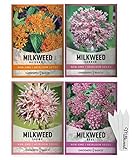
Overview: Gardeners Basics delivers a curated quartet of heirloom milkweed varieties designed to establish a thriving pollinator garden. This collection features Rose, Butterfly, Common, and Showy milkweed, each selected for its attractiveness to monarchs and beneficial insects. The heirloom designation ensures non-hybridized, genetically stable plants that maintain their beneficial characteristics season after season, making this an authentic choice for traditional gardening approaches.
What Makes It Stand Out: Each packet is printed on water-resistant paper with full-color growing and harvesting directions, demonstrating exceptional user-friendliness for novice gardeners. The inclusion of the less common Rose milkweed variety adds unique aesthetic appeal. With a guaranteed minimum of 400mg per packet, the company provides measurable quantity assurance. The heirloom status appeals to gardeners prioritizing genetic purity and seed-saving capabilities.
Value for Money: Priced at $9.95 for four varieties, this pack offers competitive value at approximately $2.49 per packet. While slightly higher per-unit cost than some competitors, the heirloom quality and comprehensive growing instructions justify the premium. The water-resistant packaging adds practical value, protecting investment from garden moisture and ensuring instructions remain legible.
Strengths and Weaknesses: Strengths include heirloom genetics, durable packaging, clear documentation, and the distinctive Rose variety inclusion. The quantity guarantee provides purchasing confidence. Weaknesses comprise fewer varieties than some competitors and limited information about seed storage conditions or germination rates. Advanced gardeners might desire more technical specifications.
Bottom Line: Ideal for beginners seeking heirloom-quality seeds with excellent documentation. This pack balances tradition, practicality, and pollinator support at a reasonable price point.
3. Monarch Butterfly Rescue Wildflower Seed Packet - 1oz, Open-Pollinated Wildflower, No Fillers, Annuals, Perennials and Milkweed Seeds for Monarch Butterfly 1oz

Overview: This 1-ounce wildflower seed mix transcends pure milkweed offerings by incorporating a diverse blend of annuals, perennials, and milkweed specifically engineered to attract monarch butterflies. As an open-pollinated, non-GMO product from a company operating since 1985, it provides a comprehensive ecosystem approach rather than single-species planting. The mix creates a sustained nectar corridor supporting monarchs throughout their entire lifecycle and migration periods.
What Makes It Stand Out: The holistic wildflower strategy addresses nectar gaps that pure milkweed plantings often miss. Expertly crafted botanical combinations ensure continuous blooms from spring through fall. The company’s 38-year reputation and quality guarantee instill confidence. Being 100% pure seed without fillers maximizes every ounce of product, delivering exceptional plant density per square foot compared to diluted competitors.
Value for Money: At $9.99 for a full ounce of pure seeds, this represents outstanding value for gardeners wanting instant pollinator diversity. The all-in-one solution eliminates multiple purchases, reducing overall project costs. However, those seeking exclusively milkweed for larval hosting may find the mix less targeted for their specific conservation goals.
Strengths and Weaknesses: Strengths include proven company reputation, comprehensive pollinator support, pure seed composition, and excellent coverage area. The mix provides season-long nectar sources. Weaknesses involve less control over specific milkweed varieties and ratios, potentially insufficient milkweed density for dedicated monarch breeding habitats. Wildflower dominance may outcompete milkweed in some conditions.
Bottom Line: Perfect for gardeners prioritizing broad pollinator attraction over specialized monarch breeding. This mix offers effortless, research-backed biodiversity with proven reliability.
4. Mix Milkweed Seeds for Monarch Butterflies - 6 Individual Varieties Perennial Wildflower (120 Seeds per Pack) Colorful Pollinator Garden, Easy to Grow for Backyard & More (Mix Milkweed Seeds)

Overview: This premium collection features six individual milkweed varieties, providing the most diverse monarch-hosting palette available in a single purchase. With precisely 120 seeds per pack, gardeners receive clear quantity expectations for planning. The assortment focuses on creating a colorful, perennial wildflower display while specifically supporting monarch caterpillars and adult butterflies through carefully selected species that bloom in white, pink, orange, and red hues.
What Makes It Stand Out: The six-variety selection surpasses most competitors for diversity. Explicit seed counts enable accurate garden planning and spacing. Strong emphasis on safety—being pet, child, and wildlife-friendly—appeals to family gardeners. The non-GMO, heirloom, untreated status ensures environmental purity. Marketing specifically targets beginners with promises of high germination rates and vigorous growth, removing intimidation from native plant cultivation.
Value for Money: At $12.99, this is the priciest option but delivers six distinct varieties, justifying the cost at roughly $2.17 per type. The clear seed count prevents over-buying, creating actual savings for precise planners. For gardeners wanting maximum visual impact and monarch support without purchasing separate packets, this represents consolidated value.
Strengths and Weaknesses: Strengths include unmatched variety count, transparent seed quantities, multi-color blooms, safety certifications, and beginner-friendly positioning. Weaknesses involve highest price point and potential waste for small gardens. Some gardeners may not need six varieties, making the premium unnecessary. Limited information about specific species beyond color descriptions.
Bottom Line: The top choice for gardeners seeking maximum variety, visual drama, and family-safe monarch conservation. Worth the premium for comprehensive pollinator habitat creation.
5. Showy Milkweed Seeds for Planting - Asclepias Speciosa - Monarch Butterfly Host - Drought-Tolerant Native Plant & Prairie Flower - Asclepias Speciosa - Survival Garden Seeds (1 Pack)
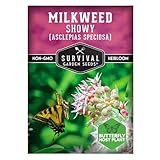
Overview: Survival Garden Seeds offers a focused, single-variety approach with their Showy Milkweed seeds, targeting gardeners who prefer specialized native plant cultivation over broad assortments. Asclepias speciosa, a drought-tolerant perennial thriving in USDA zones 3-9, provides essential monarch larval hosting while supporting native bees and moths. This streamlined offering emphasizes quality over quantity, delivering a pure, heirloom, open-pollinated species for prairie restoration and xeriscaping applications.
What Makes It Stand Out: The singular focus on Showy Milkweed ensures genetic purity and species-specific growing information. Exceptional drought tolerance makes this ideal for water-conscious gardeners and challenging climates. Detailed germination tips and seed-saving instructions empower sustainable, long-term cultivation. As a family-owned American small business, the company provides authentic customer connection and domestic quality control. The vanilla-scented pink-purple blooms offer unique sensory appeal.
Value for Money: At $4.98 for one pack, this is the most economical entry point, perfect for targeted plantings or experimentation. While lacking variety, the price reflects specialization rather than limitation. For gardeners in arid regions or those pursuing native plant authenticity, this focused investment outperforms broader, more expensive assortments that may include less suitable varieties.
Strengths and Weaknesses: Strengths include exceptional drought resistance, detailed growing guidance, small business support, and native plant authenticity. The three-foot height and extended June-September bloom period provide substantial visual impact. Weaknesses comprise single-variety limitation, requiring additional purchases for diverse monarch habitat. Lacks the visual variety multi-packs offer. May not satisfy gardeners wanting instant, colorful pollinator displays.
Bottom Line: Ideal for purists, xeriscapers, and native plant enthusiasts prioritizing sustainability and specialization. This focused offering delivers exceptional value for specific gardening goals.
6. The Old Farmer’s Almanac Butterfly Milkweed Flower Seeds - Premium Non-GMO, Open Pollinated, USA Origin (1 Packet - 400 MG - Approx 40 Seeds)

Overview: The Old Farmer’s Almanac Butterfly Milkweed delivers approximately 40 seeds of Asclepias tuberosa for $6.49, packaged with the iconic brand’s centuries-old credibility. These premium non-GMO, open-pollinated seeds originate in the USA and target patient gardeners committed to long-term monarch conservation. The packet promises brilliant orange flower clusters that establish as hardy perennials, specifically engineered to thrive in challenging growing conditions where conventional flowers fail.
What Makes It Stand Out: The unparalleled brand heritage distinguishes this offering—generations of farmers have trusted Almanac seeds for resilience and performance. Each packet includes comprehensive planting instructions refined over decades, eliminating guesswork for novice native plant gardeners. This variety’s exceptional drought tolerance and ability to flourish in poor, sandy soils makes it uniquely valuable for xeriscaping and challenging landscape positions where other milkweeds struggle to survive.
Value for Money: At roughly $0.16 per seed, this positions itself in the premium single-packet category. While bulk options offer lower per-seed costs, you’re investing in the Almanac’s quality assurance and detailed guidance rather than mere volume. For small-scale gardens where reliability trumps quantity, this represents fair value compared to generic alternatives lacking provenance or germination guarantees.
Strengths and Weaknesses: Strengths include the trusted brand reputation, remarkable drought tolerance, suitability for poor soils, and comprehensive growing instructions that dramatically improve success rates. The primary weakness is the lengthy 2-3 year establishment period requiring significant patience. The 40-seed count limits large plantings, and the specific species may not suit all regional ecosystems or wet garden conditions.
Bottom Line: Perfect for dedicated gardeners who value heritage brands and can wait for long-term rewards. The Old Farmer’s Almanac delivers quality and guidance, making this ideal for small-scale native gardens focused on monarch conservation in dry, challenging sites. Patient cultivators will be rewarded with resilient, low-maintenance plants that support pollinators for decades.
7. Narrowleaf Milkweed Butterfly Asclepias fascicularis Premium Seeds for Planting Packet Monarch

Overview: This Narrowleaf Milkweed packet provides 10+ seeds of Asclepias fascicularis for $6.99, marketing itself as a premium heirloom offering for monarch conservation. With minimal product description beyond heirloom and rare seed claims, this targets specialized gardeners and seed collectors seeking genetic diversity beyond common milkweed varieties. The product emphasizes its heirloom status and monarch-specific purpose without detailing origin or growing requirements.
What Makes It Stand Out: The rare seed designation and heirloom genetics differentiate this from mass-market milkweed options. Asclepias fascicularis offers distinctive narrow foliage and growth habits compared to typical butterfly weed, contributing valuable biodiversity to pollinator gardens. For conservationists focused on creating resilient habitats with varied native species, introducing this less-common milkweed supports more robust monarch populations adapted to diverse nectar sources.
Value for Money: At $0.70 per seed, this commands premium pricing reflecting rarity rather than volume. While substantially more expensive than standard milkweed packets, legitimate rare seeds cost more to source and maintain. This suits specialized gardeners prioritizing genetic diversity over economy, but represents poor value for those seeking maximum seed quantity or comprehensive growing support.
Strengths and Weaknesses: Strengths include heirloom genetics, rare species availability, and specific monarch butterfly targeting. However, the severely limited product description fails to provide crucial details about origin, germination rates, stratification requirements, or cultivation guidance. The tiny 10-seed count severely restricts planting scope, and the absence of instructions may challenge beginners unfamiliar with native seed propagation techniques.
Bottom Line: Best suited for experienced gardeners and seed collectors specifically seeking Asclepias fascicularis for biodiversity projects. The high cost per seed is justified only if you require this exact rare species. Beginners should avoid this due to lack of guidance, while budget-conscious buyers will find better value elsewhere. Purchase only for targeted conservation diversity.
8. Seed Needs Milkweed Seeds for Planting Swamp Milk Weed (Asclepias Incarnata) White & Pink Seed Collection - Attract Monarch Butterflies by Growing a Butterfly Garden (2 Packs)

Overview: Seed Needs delivers two packets of Swamp Milkweed (Asclepias incarnata) for $5.99, specializing in wetland habitat restoration. This North American native produces elegant pink to mauve flower clusters on 3-5 foot tall stalks, serving as an essential monarch host plant for moist environments. The collection addresses a critical gap—providing milkweed specifically adapted to wet conditions where drought-tolerant varieties cannot thrive.
What Makes It Stand Out: Unlike typical xeriscape milkweeds, this swamp variety excels in consistently wet environments like rain gardens, pond edges, and marshy areas. The dual-packet packaging provides built-in insurance against germination failure while enabling sequential planting for extended blooming. Seed Needs’ temperature-controlled storage facility ensures maximum viability, addressing a common issue with moisture-sensitive swamp milkweed seeds that degrade quickly in suboptimal conditions.
Value for Money: At effectively $3 per packet, this offers excellent value for a habitat-specific species. The two-pack strategy doubles your planting potential without doubling cost, while eliminating expensive soil amendments needed to make wet areas suitable for standard milkweed. For gardeners with naturally damp locations, this proves more economical than fighting site conditions with unsuitable varieties.
Strengths and Weaknesses: Strengths include specialized wet-habitat adaptation, quality-controlled storage, native species authenticity, and suitability for challenging damp sites. The primary limitation is its requirement for consistently moist soil, making it unsuitable for well-drained or drought-prone gardens. The taller 3-5 foot stature may require staking in exposed windy locations, and the specific habitat needs limit its versatility across diverse landscape conditions.
Bottom Line: Essential for gardeners with wet, poorly drained, or naturally marshy soils who want monarch support without fighting their site’s hydrology. The two-pack format and specialized adaptation make this a smart, economical choice for creating thriving wetland pollinator habitats. Don’t purchase for dry gardens—choose this specifically for its moisture-loving characteristics.
9. HOME GROWN Premium Monarch Butterfly Wildflower Seeds Mix (2oz) - 20000+ Non-GMO Milkweed Seeds for Monarch Butterflies - Perennial Wildflowers - Bulk Flower Seeds for Pollinator Gardens

Overview: HOME GROWN’s bulk wildflower mix delivers over 20,000 non-GMO seeds for $16.99, creating a comprehensive pollinator ecosystem rather than a single-species planting. This 2-ounce blend combines multiple milkweed varieties with nectar-rich companion flowers, designed for large-scale monarch habitat restoration across zones 3-9. The mix provides season-long blooms from spring through fall, supporting monarchs throughout their entire lifecycle while attracting diverse beneficial insects.
What Makes It Stand Out: The staggering seed count and species diversity create instant meadow-scale impact impossible with individual packets. The broadcast-and-grow simplicity eliminates precise planting grids, making large-scale restoration projects accessible to any gardener. With heights ranging from 6 inches to 6 feet, the mix creates naturalistic layered displays that mimic native prairie ecosystems, providing varied shelter and food sources for multiple pollinator species simultaneously.
Value for Money: At less than $0.001 per seed, this represents exceptional bulk value that eclipses all single-packet options. For projects exceeding 100 square feet, this approach saves hundreds of dollars compared to purchasing individual species packets. The included milkweed diversity ensures monarch support while companion flowers provide continuous nectar, delivering multiple ecological functions for the price of one commodity seed mix.
Strengths and Weaknesses: Strengths include massive quantity, diverse species mix, broad zone adaptability (3-9), drought tolerance, and easy broadcast planting. The mix approach means less control over specific species ratios and milkweed varieties, potentially disappointing precision gardeners. Some seeds may have lower individual viability than premium single-variety packets, and the unspecified species composition makes targeted habitat design challenging.
Bottom Line: Ideal for large-scale pollinator projects, meadow creation, and ecological restoration where maximum ecosystem impact outweighs species precision. The unmatched quantity and diversity make this the best value for serious conservation efforts covering substantial areas. Supplement with specific species for targeted design, but for broad-spectrum pollinator support across large spaces, this is economically unbeatable.
10. Butterfly Milkweed Seeds for Planting with Instructions to Grow Asclepias Tuberosa - Attract Butterflies & Help Conservation - Non-GMO Heirloom Open-Pollinated - Survival Garden Seeds (1 Pack)

Overview: Survival Garden Seeds offers Butterfly Milkweed (Asclepias tuberosa) for $6.49 per pack, emphasizing detailed growing guidance from a small American family-owned business. This heirloom, open-pollinated, non-GMO variety produces showy orange flowers on 12-18 inch plants, supporting monarchs across a wide native range from Florida to Canada. The packet includes comprehensive instructions for both germination and post-harvest seed saving.
What Makes It Stand Out: The explicit cold stratification instructions distinguish this offering—guiding gardeners through the crucial 2-3 week refrigeration process that can double germination rates. As a family business, they prioritize seed viability education over mere seed sales, including directions for saving seeds after harvest. This empowers sustainable, long-term gardening practices and community seed sharing, creating lasting conservation impact beyond the initial purchase.
Value for Money: Competitively priced with other premium single packets, the value derives from educational content and small-business ethics. While seed count remains unspecified, the detailed stratification guidance can significantly boost effective plant yield per seed, essentially providing more successful seedlings than competitors lacking this critical instruction. For gardeners following directions, this translates to better germination economics.
Strengths and Weaknesses: Strengths include explicit cold stratification directions, family-business commitment to quality, heirloom non-GMO assurance, and seed-saving education that promotes sustainability. The unspecified seed count creates uncertainty about per-seed value comparison. Some gardeners may find the stratification process inconvenient compared to direct-sow varieties, and the lack of drought-tolerance emphasis may mislead gardeners in arid regions.
Bottom Line: Excellent choice for gardeners who value detailed guidance and want to support small American businesses. The stratification instructions significantly boost success rates, making this ideal for beginners willing to follow directions carefully. A conscientious purchase that yields better results through education, perfect for those planning to save seeds and create self-sustaining monarch habitats.
Why Butterfly Milkweed is Critical for Monarch Survival
Butterfly milkweed serves as the sole host plant for monarch caterpillars, meaning these insects cannot complete their life cycle without it. While adult monarchs nectar on various flowers, females exclusively lay eggs on milkweed leaves, and emerging caterpillars consume nothing else. This specialized relationship evolved over millennia, with milkweed’s toxic cardiac glycosides providing monarchs with chemical protection against predators throughout their lifecycle.
The Monarch-Milkweed Coevolution Story
The relationship between monarchs and milkweed represents one of nature’s most elegant arms races. Milkweed developed a milky latex sap and toxic compounds to deter herbivores, but monarchs adapted not only to tolerate these toxins but to sequester them as a defense mechanism. When you plant butterfly milkweed, you’re inserting yourself into this ancient partnership. However, modern agricultural practices have eradicated huge swaths of native milkweed, creating a fragmented landscape that monarchs struggle to navigate. Your garden becomes a critical pit stop in a chain of habitats.
Understanding Different Milkweed Species
Before purchasing seeds, recognize that “butterfly milkweed” typically refers to Asclepias tuberosa, but the milkweed family includes over 100 North American species. Each evolved for specific ecological niches, and choosing appropriately impacts monarch success rates.
Native vs. Tropical Milkweed: Making the Right Choice
Tropical milkweed (Asclepias curassavica) often appears in garden centers because it blooms continuously and grows quickly. However, this non-native species can disrupt monarch migration by encouraging butterflies to breed outside their natural season and harbor higher parasite loads. Native butterfly milkweed, conversely, dies back naturally in winter, prompting monarchs to continue their migration as nature intended. For sustainable conservation, native species represent the gold standard, supporting the entire ecological community that co-evolved with monarchs.
Regional Considerations for Seed Selection
Your geographic location determines which milkweed species will thrive and best support local monarch populations. Butterfly milkweed performs exceptionally in USDA zones 3-9, but within this range, local ecotypes—seeds collected from plants adapted to your specific region—outperform generic varieties. A butterfly milkweed seed from Texas may struggle in Minnesota’s shorter growing season, while northern ecotypes might not withstand southern heat. Always prioritize seeds sourced within 200 miles of your planting site for optimal genetic compatibility.
Key Features to Evaluate When Buying Seeds
Quality indicators separate effective conservation seeds from disappointing disappointments. Understanding these markers helps you invest wisely in seeds that will actually germinate, thrive, and support monarchs.
Seed Viability and Germination Rates
Reputable seed suppliers provide germination rate percentages, typically ranging from 70-95% for fresh butterfly milkweed seeds. Seeds older than two years experience dramatically reduced viability due to natural deterioration. Look for harvest dates on packaging—seeds collected within the last growing season offer the best success rates. Cold storage extends viability, so suppliers who store seeds refrigerated demonstrate professional handling practices.
Purity and Genetic Integrity
High-quality seed packets contain minimal inert matter and no weed seeds. Butterfly milkweed seeds should appear as teardrop-shaped, brown seeds with a silky tuft (coma) at one end. Avoid packets with significant debris or crushed seeds. For genetic integrity, seek suppliers who collect from wild populations rather than cultivated stock, preserving the natural genetic diversity that helps populations adapt to environmental stresses.
Organic and Pesticide-Free Certification
Butterfly milkweed seeds carry no risk of systemic pesticides when harvested from wild populations, but commercially grown seeds may contain neonicotinoids or other chemicals devastating to monarchs. Look for USDA Organic certification or explicit “pesticide-free” guarantees. Even trace amounts of systemic insecticides can persist in plant tissue, killing caterpillars that consume treated leaves.
Decoding Seed Packet Information
Seed packets contain crucial details that inexperienced gardeners often overlook. Learning to interpret this information prevents planting failures and mismatched expectations.
Understanding Stratification Requirements
Butterfly milkweed seeds require cold stratification—a period of cold, moist conditions that breaks seed dormancy. This mimics natural winter conditions. Quality suppliers either pre-stratify seeds or provide clear instructions for home stratification, typically 30 days in moist sand or paper towels in your refrigerator. Packets that ignore stratification requirements suggest the supplier lacks botanical expertise.
Growth Zones and Climate Compatibility
Beyond USDA hardiness zones, examine days-to-maturity information. Butterfly milkweed typically needs 90-120 days to bloom from germination. In northern climates, this means starting seeds indoors or planting in fall for spring emergence. Southern gardeners should look for heat-tolerance indicators and consider planting dates that avoid peak summer stress.
Sourcing Ethics and Sustainability
Your seed purchase impacts more than your garden—it influences conservation economics and wild population health. Ethical sourcing ensures your investment supports rather than exploits natural resources.
Supporting Local Nurseries vs. Big Box Stores
Local native plant nurseries typically offer superior expertise, regional ecotypes, and ethical collection practices. While big box stores may sell cheaper seeds, these often represent mass-produced varieties with uncertain provenance and lower germination rates. Building relationships with local suppliers connects you to regional conservation networks and ensures your seeds align with local ecosystem needs.
The Importance of Seed Provenance
Provenance refers to the specific geographic origin of seeds. Ethical suppliers harvest no more than 10% of seed from any wild population, ensuring natural regeneration. They also document collection locations, allowing you to select seeds from habitats similar to your garden conditions. This transparency indicates sustainable practices that protect wild milkweed stands.
Planting for Maximum Monarch Impact
Strategic planting amplifies your garden’s conservation value beyond simply growing milkweed. Thoughtful design creates habitat that supports monarchs through their entire lifecycle.
Creating a Monarch Waystation
Monarch Waystation certification requires at least 10 milkweed plants of two or more species, plus nectar plants for adults. Plant butterfly milkweed in clusters rather than single specimens—monarchs locate host plants more easily when they’re grouped. Include plants at various growth stages, as females prefer younger, tender growth for egg-laying.
Companion Planting Strategies
Butterfly milkweed thrives alongside native nectar sources like coneflowers, black-eyed Susans, and native asters. These companions provide adult monarchs with diverse nectar sources while attracting beneficial insects that control pests naturally. Avoid planting near non-native ornamentals that may host competing insects or require chemical treatments.
Timing Your Purchase and Planting
When you buy and plant seeds significantly affects success rates. Understanding seasonal cycles aligns your efforts with monarch needs and natural plant rhythms.
Fall Planting vs. Spring Sowing
Fall planting allows nature to handle stratification, with seeds germinating in spring when conditions are optimal. This approach typically yields stronger plants with deeper root systems. Spring sowing requires artificial stratification but gives you more control over plant placement. For maximum monarch support, aim for fall planting in most regions, ensuring plants are established when monarchs arrive.
Storing Seeds for Optimal Viability
If you purchase seeds off-season, proper storage maintains viability. Store butterfly milkweed seeds in airtight containers in your refrigerator (not freezer) at 40°F. Add silica gel packets to control moisture. Properly stored seeds maintain 80%+ germination rates for up to three years, though fresher seeds always outperform older stock.
Common Mistakes to Avoid
Even well-intentioned gardeners can undermine their conservation efforts through common errors. Awareness prevents wasted time and resources while maximizing monarch support.
First, avoid planting tropical milkweed in regions where it survives winter—this disrupts migration timing and increases disease transmission. Second, don’t plant milkweed in isolation; monarchs need diverse nectar sources throughout their lifecycle. Third, resist the urge to “clean up” your garden in fall—standing stalks harbor overwintering beneficial insects and provide natural seed dispersal. Finally, never use pesticides, even organic ones like Bt (Bacillus thuringiensis), which specifically targets caterpillars.
Beyond Seeds: Ensuring Long-Term Habitat Success
Purchasing quality seeds represents just the beginning of monarch conservation. Long-term habitat stewardship determines whether your garden becomes a sustained resource or a temporary waystation.
Monitor your butterfly milkweed for aphids, which can be removed with a strong water spray rather than chemicals. Allow some plants to go to seed naturally, supporting local seed dispersal and genetic adaptation. Document monarch activity through programs like Monarch Watch or Journey North, contributing citizen science data that informs broader conservation strategies. Most importantly, share your knowledge—neighbors planting milkweed multiply your impact exponentially.
Frequently Asked Questions
How many butterfly milkweed seeds do I need to plant to actually help monarchs?
For meaningful impact, plant at least 20-30 seeds to establish a cluster of 10-15 mature plants. Monarchs locate host plants more efficiently in groups, and multiple plants ensure enough leaves to sustain caterpillars. A single caterpillar consumes about 20 leaves before pupating, so one plant rarely suffices.
What’s the difference between stratified and non-stratified seeds, and which should I buy?
Stratified seeds have undergone cold treatment to break dormancy and can be planted immediately in spring. Non-stratified seeds require 30 days of cold, moist refrigeration before planting. Buy stratified seeds if you’re spring planting and want to skip this step. Purchase non-stratified seeds for fall planting or if you prefer natural winter stratification.
Can I harvest seeds from wild milkweed plants, and is it legal?
Harvesting seeds from wild plants is legal on most public lands for personal use, but regulations vary by location. Never harvest more than 10% of a plant’s seeds to ensure natural regeneration. On private property, obtain landowner permission. Wild-collected seeds offer excellent local adaptation but risk spreading disease if plants were infected.
How long does it take for butterfly milkweed to bloom from seed?
Expect 90-120 days from germination to first bloom when started indoors. Direct-sown seeds may take two growing seasons to flower, as they focus energy on establishing deep taproots first. Fall-planted seeds typically bloom the following summer, producing a more robust plant than spring-sown specimens.
Do I need to deadhead butterfly milkweed to encourage more blooms?
Unlike many garden flowers, butterfly milkweed doesn’t require deadheading for continuous blooms—it naturally produces a single flush of flowers. However, removing spent flowers prevents seed formation and can redirect energy to root growth in first-year plants. For monarch support, leave some flowers to produce seeds that feed birds and naturally propagate.
Why didn’t my butterfly milkweed seeds germinate despite following instructions?
Common causes include insufficient stratification, planting too deep (should be ¼ inch), or soil temperatures below 65°F. Butterfly milkweed also exhibits natural dormancy—some seeds remain dormant for a year before germinating. Poor viability from old seeds is another frequent culprit; always check harvest dates.
Is butterfly milkweed invasive or aggressive in garden settings?
Butterfly milkweed is notably non-aggressive compared to common milkweed (Asclepias syriaca). It forms clumps that slowly expand but won’t take over your garden. The deep taproot makes transplanting difficult but prevents spreading via rhizomes. It’s considered well-behaved and suitable for formal garden settings.
Can I grow butterfly milkweed in containers to support monarchs?
Yes, but use deep containers (at least 12-14 inches) to accommodate the taproot. Choose well-draining potting mix and water moderately. Container-grown plants require more frequent watering but can be highly effective on balconies and patios. Group multiple containers together to create a more attractive target for egg-laying monarchs.
What companion plants work best with butterfly milkweed for monarch conservation?
Plant native nectar sources that bloom sequentially: early spring violet species, summer-blooming coneflowers (Echinacea), black-eyed Susans (Rudbeckia), and fall-blooming asters (Symphyotrichum). Include native grasses like little bluestem for shelter. Avoid planting non-native nectar plants that may outcompete natives or require chemical maintenance.
How do I know if monarchs are actually using my milkweed?
Inspect leaf undersides for tiny, creamy-white eggs and look for chewed leaf edges indicating caterpillar feeding. First and second instar caterpillars are very small—use a magnifying glass. Consider joining Monarch Larva Monitoring Project to report observations. Adult monarchs nectaring on flowers don’t guarantee reproduction; eggs and caterpillars confirm successful host plant usage.