Every seasoned gardener knows the frustration of juggling a half-dozen tools for a single afternoon in the beds—one for digging, another for weeding, yet another for harvesting root vegetables. The stainless digging knife, often overlooked in favor of flashier power tools, quietly solves this problem with elegant simplicity. This single piece of precision-engineered steel transforms from a soil-excavating workhorse to a surgical weeding instrument to a delicate harvest assistant, all without changing implements.
What makes these tools truly remarkable isn’t just their versatility—it’s their longevity. A well-forged stainless digging knife becomes an extension of your hand, developing a patina of use that tells the story of seasons past while retaining the sharp integrity to tackle seasons ahead. Unlike carbon steel alternatives that demand constant vigilance against rust, quality stainless construction offers a forgiving maintenance schedule that respects your time and investment.
Top 10 Stainless Digging Knives
Detailed Product Reviews
1. PERWIN Hori Hori Garden Knife, Garden Tools with Sheath for Weeding, Planting, Digging, 7" Stainless Steel Blade with Cutting Edge, Full-Tang Walnut Wood Handle with Hanging Hole

Overview:
The PERWIN Hori Hori Garden Knife represents a modern interpretation of the classic Japanese gardening tool, offering exceptional versatility for various outdoor tasks. With its 7-inch stainless steel blade and full-tang walnut wood handle, this 12.1-inch tool combines traditional design with contemporary manufacturing standards, making it suitable for weeding, planting, digging, and more.
What Makes It Stand Out:
This knife distinguishes itself through its premium walnut handle and comprehensive feature set. The blade includes both sharp and serrated edges, depth measurements in inches, a cord-cutting notch, and even a bottle opener. The full-tang construction with three metal rivets ensures durability, while the included protective sheath with belt loop adds practical portability for gardeners who like to keep tools within reach.
Value for Money:
At $25.99, this PERWIN model sits in the sweet spot between budget options and premium Japanese imports. You’re getting a full-tang tool with a quality hardwood handle and versatile blade features that would cost significantly more from traditional Japanese brands. The included sheath adds value that many competitors charge extra for.
Strengths and Weaknesses:
Strengths include the robust full-tang construction, ergonomic walnut handle, multi-function blade design, and convenient sheath. The depth markings are clear and practical. Weaknesses may include slightly less prestigious steel compared to authentic Japanese brands, and the walnut finish might require occasional maintenance to prevent drying.
Bottom Line:
The PERWIN Hori Hori Garden Knife delivers outstanding versatility and build quality at a reasonable price point. It’s an excellent choice for dedicated gardeners seeking a reliable, multi-purpose tool without paying premium import prices.
2. PERWIN Hori Hori Garden Knife, Garden Tools with Sheath for Weeding, Planting, Digging, 7" Stainless Steel Blade with Cutting Edge, Full-Tang Wood Handle with Hanging Hole

Overview:
The PERWIN Hori Hori Garden Knife offers the same versatile Japanese-inspired design as its sibling model, providing a robust solution for weeding, planting, and digging tasks. Measuring 12.1 inches overall with a 7-inch stainless steel blade, this full-tang tool is built to handle intensive garden work while maintaining user comfort through its ergonomic wood handle design.
What Makes It Stand Out:
This version features the same multi-function blade with sharp and serrated edges, depth measurements, cord-cutting notch, and bottle opener functionality. The full-tang construction with three reinforced metal rivets ensures safety and durability. The protective sheath with belt loop and hanging hole in the handle provide excellent storage and portability options for organized gardeners.
Value for Money:
Priced at $30.99, this model is puzzlingly more expensive than the nearly identical walnut-handled version. While it offers the same functional benefits—rust-proof stainless steel, full-tang strength, and comprehensive features—the $5 premium is difficult to justify unless the unspecified wood handle material offers a particular advantage. The core value proposition remains solid, but savvy shoppers will compare closely with other PERWIN variants.
Strengths and Weaknesses:
Strengths mirror the walnut version: excellent versatility, secure full-tang construction, practical sheath, and comfortable grip. The tool performs admirably across various gardening tasks. The primary weakness is the unclear value proposition compared to the cheaper walnut model. The generic “wood” handle may be less premium than advertised walnut.
Bottom Line:
While a capable and versatile garden tool, this PERWIN model’s higher price makes it less attractive than the walnut version. Consider this only if you prefer the specific handle material; otherwise, the $25.99 variant offers better value.
3. Nisaku NJP651 Hori Weeding & Digging Knife-Hardened HRC58 Edition, Authentic Tomita (Est. 1960) Japanese Stainless Steel, 7.25" Blade, Wood Handle, w/Premium Leather Sheath

Overview:
The Nisaku NJP651 HRC58 Edition represents the pinnacle of authentic Japanese Hori Hori craftsmanship. Forged by Tomita (Est. 1960), this premium tool embodies decades of traditional metalworking expertise. The 7.25-inch hardened stainless steel blade delivers exceptional performance for weeding, digging, planting, and even hunting or camping applications.
What Makes It Stand Out:
This special edition features the hardest stainless steel blade (HRC58) in the Hori line, providing superior edge retention and durability. The concave blade design, authentic to traditional Matagi hunter tools, features precise inch markings for accurate planting depth. The premium leather sheath adds a touch of class while protecting the razor-sharp edges. Japanese artisan craftsmanship ensures each tool meets exacting standards.
Value for Money:
At $32.10, this is the most expensive option but justifies its price through authentic Japanese manufacturing, superior hardened steel, and heritage branding. You’re paying for genuine craftsmanship rather than mass production. For serious gardeners and collectors, this represents fair value compared to other imported Japanese garden tools that often cost significantly more.
Strengths and Weaknesses:
Strengths include the exceptional HRC58 hardened steel, authentic Japanese construction, concave blade design, premium leather sheath, and historical craftsmanship heritage. The tool holds its edge remarkably well and resists rust and scratches. The only weakness is the premium price point, which may exceed casual gardeners’ budgets.
Bottom Line:
The Nisaku NJP651 is the choice for purists seeking authentic Japanese quality. Its hardened steel and traditional craftsmanship make it a lifetime investment for serious gardeners who appreciate superior tools and heritage.
4. NISAKU NJP650 The Original Hori Hori Namibagata Japanese Stainless Steel Weeding Knife, 7.25-Inch Blade

Overview:
The NISAKU NJP650 delivers authentic Japanese quality at an accessible price point. Made in Japan with premium stainless steel, this original Hori Hori Namibagata knife provides the essential features that have made this design indispensable for gardeners worldwide. The 7.25-inch blade paired with a 5.25-inch wood handle creates a balanced, lightweight tool at just 10 ounces.
What Makes It Stand Out:
As the original design from Japan, this tool carries the authenticity that many imitations lack. The blade features both serrated and straight edges with clear inch markings for precise planting depth. The rust and scratch-resistant steel stays razor sharp through heavy use. Its simplicity is its strength—no unnecessary features, just proven functionality backed by Japanese manufacturing standards.
Value for Money:
At $22.05, this offers the best entry point into authentic Japanese Hori Hori tools. You’re getting genuine Japanese craftsmanship and quality steel for less than many domestic alternatives. While it lacks a premium sheath or extra features, the core tool quality is undeniable. This represents exceptional value for gardeners wanting authenticity without premium pricing.
Strengths and Weaknesses:
Strengths include authentic Japanese manufacturing, quality stainless steel, lightweight design, clear depth markings, and excellent edge retention. The tool is durable and well-balanced. Weaknesses include the basic wood handle without specified premium features and lack of mention of a sheath, which may need separate purchase.
Bottom Line:
The NISAKU NJP650 is the smart choice for gardeners seeking authentic Japanese quality on a budget. It delivers proven performance and durability without unnecessary frills, making it an excellent value purchase.
5. WORKPRO Hori Hori Garden Knife, 7" Stainless Steel Blade with Cutting Edge, Garden Tools with Oxford Sheath, Ergonomic TRP Handle with Hanging Hole for Weeding, Planting, Digging, Green

Overview:
The WORKPRO Hori Hori Garden Knife modernizes the classic Japanese design with contemporary materials and budget-friendly pricing. This 7-inch stainless steel blade tool features an ergonomic TRP handle and includes an Oxford sheath, making it an accessible entry point for novice gardeners or those wanting a reliable backup tool for various outdoor tasks.
What Makes It Stand Out:
This model uniquely features a TRP (thermoplastic rubber) handle designed for comfort and non-slip grip, particularly valuable during wet conditions. The blade includes both sharp and serrated edges, plus a distinctive 6-inch measuring scale in both inches and millimeters—offering more measurement flexibility than most competitors. The bright green color and included Oxford sheath with belt loops enhance visibility and portability.
Value for Money:
At $19.99, this is the most affordable option while maintaining essential functionality. The synthetic handle requires less maintenance than wood, and the dual-unit measurements add practical value. While the steel quality may not match premium Japanese brands, the overall package delivers impressive features for the price, making it ideal for casual gardeners or as a secondary tool.
Strengths and Weaknesses:
Strengths include the comfortable non-slip TRP handle, dual measurement units, lowest price point, low-maintenance materials, and functional sheath. The tool handles basic gardening tasks competently. Weaknesses include potentially lower-grade steel, less prestigious brand reputation, and a synthetic handle that lacks the traditional feel and longevity of wood.
Bottom Line:
The WORKPRO Hori Hori is perfect for beginners or budget-conscious gardeners. It offers modern features and essential functionality at an unbeatable price, though serious gardeners may eventually upgrade to premium models.
6. HOKURU Hori Hori Knife - Landscaping, Digging, Weeding, Cutting, Planting Gardening Tool With Leather Sheath, Stainless Steel Blade and Sharpening Stone

Overview: The HOKURU Hori Hori Knife positions itself as a versatile all-in-one gardening solution for enthusiasts seeking reliability without premium pricing. This multi-purpose tool combines traditional Japanese design with modern manufacturing, offering a stainless steel blade that handles everything from delicate planting to tough root cutting.
What Makes It Stand Out: This knife distinguishes itself through exceptional warranty coverage—a 3-year quality warranty plus 30-day money-back guarantee provides unmatched purchase confidence. The full tang construction secured by three metal rivets ensures durability, while the included leather sheath and sharpening stone add immediate value. The protective handguard demonstrates thoughtful safety engineering often missing in this price tier.
Value for Money: At $23.99, this tool hits the sweet spot between affordability and quality. You’re getting professional-grade features like full tang construction and genuine leather sheath typically found on $40+ models. The comprehensive warranty effectively reduces long-term ownership costs, making it cheaper than budget options that require frequent replacement.
Strengths and Weaknesses: Pros: Excellent warranty package; Full tang stainless steel construction; Premium leather sheath included; Protective handguard; Versatile for all gardening tasks. Cons: Brand recognition lags behind Fiskars or Nisaku; Leather sheath may require maintenance; Blade steel specifications not as detailed as premium brands.
Bottom Line: The HOKURU Hori Hori delivers remarkable value for serious gardeners seeking durability without breaking the bank. Its warranty alone justifies the investment, making it a smarter choice than cheaper alternatives that compromise on construction quality.
7. SHALL Hori Hori, Japanese Garden Knife, Soil Knife with Leather Sheath, Rosewood Handle & Hide Rope, 7” Stainless Steel Blade, Rope Cutting Edge, for Digging, Weeding, Planting, Full-Tang

Overview: The SHALL Hori Hori embodies authentic Japanese craftsmanship with its rosewood handle and mirror-polished blade, offering horticulture enthusiasts a tool that balances traditional aesthetics with modern functionality. This 11-7/8 inch multi-tasker excels at precise garden work while maintaining the ruggedness needed for heavy soil penetration.
What Makes It Stand Out: The exquisite rosewood handle with hide rope detailing creates an elegant yet practical grip that improves with age. Unique rope-cutting edge and integrated measurement scale enhance versatility beyond standard hori hori designs. The reinforced leather sheath with seven rivets and belt loop prioritizes both durability and accessibility, while the full tang construction with three rivets ensures superior stability under torque.
Value for Money: Priced at $18.99, this knife undercuts many competitors while delivering premium materials and craftsmanship. The rosewood handle alone typically commands a $10+ premium over plastic alternatives, making this an exceptional value for discerning gardeners who appreciate fine tools without the artisan price tag.
Strengths and Weaknesses: Pros: Beautiful rosewood handle with full tang; Specialized rope-cutting edge; Reinforced leather sheath with hide rope; Precise measurement markings; Excellent balance and ergonomics. Cons: Mirror polish may scratch with heavy use; Rosewood requires occasional oiling; Brand lacks long-term track record.
Bottom Line: The SHALL Hori Hori offers artisan-level quality at a mid-range price, making it ideal for gardeners who value both performance and aesthetics. It’s a thoughtful gift that performs as beautifully as it looks.
8. Nisaku NJP6510 Namibagata Hori Weeding & Digging Knife Japanese 7.25 Blade, 6-Inch, Includes Weather Resistant Hard Plastic Sheath, Stainless Steel/Wood Handle
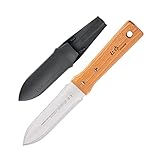
Overview: The Nisaku NJP6510 represents the pinnacle of Japanese hori hori heritage, crafted by artisans who’ve perfected this tool over generations. Originally used by Matagi hunters, this 7.25-inch blade brings mountain-tested durability to everyday gardening, offering unmatched precision for serious horticulturists and outdoor enthusiasts.
What Makes It Stand Out: Authentic Japanese artisan construction ensures each blade meets exacting standards for concave shaping and edge geometry. The rust-proof, scratch-resistant stainless steel maintains its integrity through seasons of abuse. Weather-resistant hard plastic sheath provides superior protection against moisture compared to leather alternatives, making it ideal for all-weather gardeners who leave tools outdoors.
Value for Money: At $36, this premium tool commands respect from knowledgeable gardeners. While significantly pricier than competitors, you’re paying for genuine Japanese craftsmanship and heritage—not marketing. The blade’s superior tempering and geometry justify the cost for professionals who understand tool quality impacts results and longevity.
Strengths and Weaknesses: Pros: Authentic Japanese artisan quality; Superior steel tempering and edge retention; Concave blade design excels at digging; Weather-resistant sheath; Scratch-resistant finish; Excellent balance. Cons: Premium price excludes casual users; Plastic sheath lacks traditional aesthetic; Wood handle requires maintenance; No measurement markings.
Bottom Line: For dedicated gardeners who demand professional-grade tools, the Nisaku is worth every penny. Its heritage and performance make it a lifetime investment rather than a disposable tool, best suited for those who garden daily and appreciate fine craftsmanship.
9. Fiskars Hori Hori Garden Knife with Sheath, Multi-Purpose Heavy Duty Gardening Hand Tool for Weeding, Planting, Digging with Hanging Hole

Overview: Fiskars brings its legendary tool expertise to the hori hori market with a heavy-duty interpretation designed for North American gardeners. This multi-purpose knife combines Scandinavian design sensibilities with Japanese functionality, creating a robust tool that tackles everything from precision weeding to transplanting woody perennials.
What Makes It Stand Out: The innovative forked tip design efficiently extracts taproot weeds intact, preventing regrowth—a feature unique among competitors. Fiskars’ proprietary SoftGrip handle reduces hand fatigue during extended use, while the precision-ground edge maintains sharpness longer than typical stamped blades. The hanging hole integration and lifetime warranty reflect the brand’s commitment to user-centric design and standing behind their products.
Value for Money: At $18.88, this represents outstanding value from a trusted brand. Fiskars’ lifetime warranty eliminates replacement concerns, effectively making this the cheapest long-term option. You’re getting ergonomic innovation and proven durability at a price point that competes with no-name imports, backed by decades of tool-making expertise.
Strengths and Weaknesses: Pros: Forked tip excels at weed removal; Ergonomic SoftGrip handle; Lifetime warranty; Precision-ground edge retention; Trusted brand reputation; Integrated hanging hole. Cons: Plastic sheath feels less premium; Handle may be bulky for small hands; Blade lacks traditional concave depth; No sharpening stone included.
Bottom Line: The Fiskars Hori Hori is the smart choice for practical gardeners who prioritize function and warranty over aesthetics. Its innovative forked tip and ergonomic handle make it the most user-friendly option for weed-intensive gardens, delivering professional results at homeowner prices.
10. Garden Guru Hori Hori Garden Knife with Ergonomic Handle for Weeding, Digging, Pruning & Cultivating, Stainless Steel Blade with Serrated Edge & Depth Markings for Measuring Planting Depth

Overview: The Garden Guru Hori Hori democratizes quality gardening tools by offering essential features at an entry-level price point. This 11-7/8 inch knife targets budget-conscious gardeners and beginners who need reliable performance without financial commitment, proving that effective tools don’t require premium pricing.
What Makes It Stand Out: The lifetime warranty combined with a 90-day “no questions asked” satisfaction guarantee is unprecedented at this price tier. Ergonomic non-slip handle provides comfort rivaling more expensive models, while comprehensive depth markings in both metric and imperial units cater to precision planters. At under $9, it’s the only hori hori that qualifies as an impulse purchase while still offering professional functionality.
Value for Money: At $8.95, this tool redefines value—it’s cheaper than many trowels while offering ten times the versatility. The lifetime warranty makes it essentially free after initial purchase. For beginners testing gardening waters or experienced gardeners needing backup tools for different locations, the price-to-performance ratio is unbeatable.
Strengths and Weaknesses: Pros: Unbeatable price with lifetime warranty; Ergonomic handle design; Comprehensive measurement markings; Rust-resistant stainless steel; 90-day satisfaction guarantee; Ideal for beginners. Cons: Blade steel quality unspecified; Handle durability unproven long-term; Sheath not included; Brand lacks heritage; May not withstand heavy professional use.
Bottom Line: The Garden Guru Hori Hori is the perfect starter tool that punches far above its weight class. It’s an ideal gift for new homeowners or casual gardeners, offering genuine utility with zero financial risk. While pros may want heavier construction, this tool makes hori hori accessibility universal.
Why Stainless Digging Knives Are the Ultimate Multi-Tool for Gardeners
The modern stainless digging knife represents a convergence of ancient agricultural wisdom and contemporary metallurgical science. Traditional Japanese hori-hori knives and Korean homi tools have influenced Western designs, creating hybrids that excel in diverse gardening contexts. These implements don’t merely perform multiple functions—they excel at each one because their design prioritizes the fundamental physics of cutting, prying, and slicing through soil and plant material.
The inherent corrosion resistance of stainless steel makes these knives particularly valuable for gardeners working in varied climates. Morning dew, clay-heavy soil, and frequent cleaning won’t compromise the blade’s integrity. This resilience translates to consistent performance whether you’re dividing perennials in spring, battling quackgrass in summer, or lifting potatoes in fall.
Decoding Blade Materials: Stainless Steel Grades and Performance
Understanding 420, 440, and Surgical Stainless Variations
Not all stainless steel earns its name equally. The 420 series offers excellent corrosion resistance and decent hardness, making it forgiving for gardeners who might accidentally strike rocks or buried debris. It sharpens easily but requires more frequent touch-ups during heavy use. The 440 series, particularly 440C, delivers superior edge retention and higher carbon content, trading some corrosion resistance for performance that serious gardeners appreciate during marathon weeding sessions.
Surgical stainless, often 316 or 317 grades, provides maximum rust prevention but typically lacks the hardness needed for sustained soil work. Premium tools often use proprietary stainless formulations that balance carbon content with chromium and molybdenum, achieving the sweet spot between edge retention and maintenance-free storage.
The Role of Blade Coatings and Finishes
Many manufacturers apply titanium nitride or ceramic coatings to enhance performance further. These micro-thin layers reduce soil adhesion, preventing that frustrating clumping that slows work in heavy clay. A satin or brushed finish, as opposed to mirror polish, provides better feedback during cutting and hides the inevitable scratches that come with honest use. Some artisans apply forced patinas or acid etching to create surface textures that grip soil less aggressively while adding aesthetic character.
Blade Design: The Science of Shape, Size, and Edge Geometry
Curved vs. Straight Profiles and Their Applications
A gently curved blade excels at scooping motions, making it ideal for transplanting seedlings or harvesting shallow-rooted crops like garlic. The arc creates a natural fulcrum point that multiplies leverage when prying stubborn weeds. Straight blades, conversely, offer superior precision for cutting clean edges along pathways or slicing through dense root mats where a curved tip might wander.
The most versatile designs incorporate a subtle recurve—nearly straight for the first two-thirds of the blade, then sweeping upward toward the tip. This hybrid geometry allows both aggressive digging and delicate weeding without forcing you to adjust your grip constantly.
Serrated vs. Smooth Edges: Making the Right Choice
Partial serrations near the handle provide aggressive cutting power for woody stems and fibrous roots without compromising the smooth section’s precision. Full serration, while excellent for sawing through tough material, reduces the knife’s utility for clean harvesting cuts that prevent plant damage. The optimal configuration places serrations only where your thumb naturally applies pressure during power cuts, leaving the distal portion smooth for surgical work.
Blade Length and Thickness Trade-offs
Seven to eight inches represents the sweet spot for most gardeners—long enough to reach deep taproots but short enough to maintain control during intricate weeding. Thickness matters equally: 2.5mm to 3mm stock provides the rigidity needed for prying dandelions from compacted soil without becoming unwieldy for precision tasks. Thinner blades slice through soil with less resistance but risk bending when encountering buried obstacles.
Handle Engineering: Comfort, Grip, and Longevity
Wood, Composite, or Stainless: Material Showdown
Traditional hardwood handles like hickory or ash offer unmatched shock absorption and warm tactile feedback, but require occasional oiling to prevent cracking. Modern composites—G10, Micarta, or fiberglass-reinforced nylon—deliver zero-maintenance durability and can be textured for secure grip even when caked with mud. Full stainless handles, while supremely hygienic and rustproof, transmit more vibration and can become slippery unless aggressively textured.
The best compromise often involves a stainless core with composite or wood scales, combining structural integrity with ergonomic comfort. These hybrid handles allow for replacement of grip panels after years of wear without discarding the entire tool.
Ergonomic Contours and Finger Grooves
A handle that fits your hand reduces fatigue during extended use and prevents the dangerous slipping that causes accidents. Look for subtle palm swells that nestle into your grip without forcing a single hand position. Finger grooves should be shallow enough to accommodate gloves yet defined enough to provide index point reference. The handle’s cross-section should be oval rather than round, preventing rotation during torque-heavy prying motions.
Structural Integrity: Full Tang vs. Partial Tang Construction
Why Tang Matters for Digging Tools
The tang—the portion of blade steel extending into the handle—determines whether your knife survives a decade or snaps during the first encounter with a buried root. Full tang construction, where steel runs the entire handle length, distributes stress evenly and eliminates the weak transition point where partial tangs terminate. This becomes critical when using the knife as a lever to extract established weeds.
Riveting, Welding, and Adhesive Methods
Premium knives use multiple brass or stainless rivets to secure full tang handles, allowing for disassembly and rehandling if needed. Welded handles offer seamless aesthetics but make repairs impossible. Adhesive-only construction, common in budget options, fails catastrophically when subjected to the shock loads inherent in digging. The most robust designs combine rivets with high-strength epoxy, creating redundant attachment systems that survive decades of abuse.
Ergonomics and Weight Balance: The Fatigue Factor
Finding Your Personal Balance Point
A well-balanced knife pivots naturally at the index finger when held loosely, with the blade and handle weighting nearly equal. This balance reduces wrist strain during repetitive motions and allows for quick direction changes when alternating between digging and weeding. Heavier blades (8-10 ounces) provide momentum for chopping through tough sod but tire your hand during precision work. Lighter models (5-7 ounces) excel at finesse tasks but may feel insubstantial when excavating compacted soil.
Handle Length and Hand Size Compatibility
Handle length should match your hand size plus glove thickness. A handle that’s too short concentrates pressure on your palm, causing hot spots and blisters. Excessively long handles catch on foliage and reduce maneuverability in dense plantings. Measure your grip circumference with your work gloves on, then add half an inch to find your ideal handle length—typically 4.5 to 5.5 inches for most adults.
Safety Features That Separate Premium from Problematic
Integrated Guards and Thumb Rests
A subtle bolster or guard between blade and handle prevents your hand from sliding onto the sharp edge during slippery conditions. Some designs incorporate a dedicated thumb ramp on the blade spine, providing a secure platform for controlled pressure during detailed weeding. This feature also keeps your thumb away from the cutting edge when applying force.
Sheath Design and Carry Safety
A proper sheath does more than protect the blade—it protects you. Look for Kydex or molded polymer sheaths that retain the knife securely without relying on straps that degrade. The sheath should fully cover the edge and point while allowing one-handed retraction. Belt loops positioned for horizontal carry reduce thigh interference when kneeling, while vertical orientation suits waist-level access.
Maintenance Mastery: Preserving Your Investment
Cleaning Protocols That Prevent Corrosion
Even stainless steel benefits from immediate cleaning after use. A quick rinse removes abrasive soil particles that slowly dull the edge. For clay-heavy soils, soak the blade briefly in water before wiping—never use harsh wire brushes that scratch the surface and create rust initiation points. Dry thoroughly, including the handle-tang junction where moisture hides. A light coat of food-grade mineral oil on the blade during off-season storage prevents even the faintest surface oxidation.
Sharpening Techniques for Stainless Steel
Stainless steel’s toughness demands appropriate abrasives. Diamond stones or ceramic rods work efficiently without excessive pressure that can overheat and soften the edge. Maintain the factory bevel angle—typically 20-25 degrees per side for digging knives. Sharpen the smooth edge regularly with light strokes rather than waiting for severe dulling that requires aggressive grinding. Serrations need specialized tapered rods; match the rod diameter to each serration’s gullet for consistent sharpness.
Storage Solutions That Extend Lifespan
Never toss your knife in a toolbox where it contacts other metal tools, creating nicks and scratches. Magnetic strips keep blades accessible but exposed to humidity. The ideal storage involves the sheath in a dry location, with occasional oil application to the blade. For long-term storage, wrap the knife in VCI (vapor corrosion inhibitor) paper before sheathing, creating a protective atmosphere that prevents even fingerprint corrosion.
Technique Fundamentals: From Excavation to Precision Harvesting
The Art of Soil Penetration and Root Extraction
Insert the blade vertically alongside the weed’s main taproot, using a slight rocking motion to sever lateral roots. Then pivot the handle downward, using the blade as a lever to lift the entire root mass. This technique works best with a full tang knife that can handle the stress. For shallow-rooted weeds, a push-pull slicing motion just below the soil surface decapitates the plant while minimizing soil disturbance.
Harvesting Without Damage: Gentle Cuts
When harvesting lettuce or cutting herbs, use the knife’s smooth edge near the tip with a drawing motion away from the plant’s crown. This prevents crushing delicate tissues. For root crops, slide the blade horizontally beneath the vegetable, using the curved belly to cradle and lift rather than spearing. The serrated section can trim greens at soil level without dragging dirt onto your harvest.
Soil-Smart Selection: Matching Your Tool to Your Terrain
Clay, Sand, and Loam: Different Demands
Heavy clay soils require thick, robust blades that won’t flex when prying compacted clods. A polished or coated blade prevents the suction that makes extraction difficult in sticky clay. Sandy soils, being abrasive, demand harder steel that resists wear—consider 440C or equivalent. Loamy garden soil, every gardener’s dream, allows for more delicate blades and prioritizes sharpness over brute strength.
Rocky and Root-Laden Challenges
If your garden hides river rocks or tree roots, prioritize toughness over ultimate edge retention. A slightly softer stainless steel absorbs impact better than brittle, ultra-hard variants. Choose a blade with a reinforced tip—sometimes called a “root breaker” point—that distributes impact force. Some designs incorporate a small flat hammer surface on the pommel for tapping the blade through tough spots without damaging the edge.
Seasonal Versatility: Year-Round Applications
Spring Dividing and Transplanting
Spring’s wet soil offers ideal conditions for using your knife as a dividing tool. Insert the blade vertically through clumping perennials, using the spine as a straight edge for equal divisions. The smooth edge cuts through root balls cleanly, reducing transplant shock. Use the knife to tease apart tangled roots before replanting, working like a comb to separate without tearing.
Summer Weeding and Maintenance
During peak growing season, your knife becomes a daily companion for quick weeding patrols. The serrated section saws through tough stems of bindweed and thistle, while the smooth edge slides under purslane and chickweed for clean removal. Keep the knife in a belt sheath for impromptu weed removal during watering or harvesting walks.
Fall Harvest and Cleanup
Autumn showcases the knife’s harvesting prowess. Use it to lift root vegetables, cut back spent foliage, and open compost bags with precision. The sharp point can test potato skins for maturity without damaging the tuber. When cleaning up beds, the knife’s edge chops through fibrous stems of corn and sunflowers, processing material for composting.
Price Versus Value: Making an Informed Investment
Understanding the Price Spectrum
Budget knives ($15-30) typically use lower-grade stainless and partial tangs, suitable for occasional gardeners with light soil. Mid-range options ($40-70) offer full tang construction and better steel, representing the sweet spot for serious home gardeners. Premium tools ($80-150) feature custom steels, hand-finished edges, and replaceable components that justify their cost for professionals or enthusiasts who use them daily.
Cost Per Use: The Long-Term Perspective
A $100 knife used weekly for ten years costs less than two cents per use. Compare that to replacing a $20 knife every two seasons when the handle separates or the blade bends. Factor in the time saved by using a tool that works efficiently and the reduced frustration of unreliable equipment. The initial investment in quality often pays dividends in performance and longevity that far exceed the price difference.
The Sustainability Angle: Eco-Friendly Gardening Tools
Durability as Environmental Responsibility
Every tool that lasts decades prevents the manufacturing, packaging, and shipping of multiple replacements. Stainless steel is fully recyclable at end-of-life, unlike composite-handled tools that become landfill. Choosing a multi-purpose knife reduces your total tool count, minimizing resource consumption. Some manufacturers now use recycled stainless stock and renewable wood sources for handles, further reducing environmental impact.
Supporting Artisan Craftsmanship
Small-batch knife makers often source materials locally and build tools designed for repair, not replacement. Their production methods typically consume less energy than mass manufacturing. By investing in such tools, you support sustainable business practices while acquiring an heirloom-quality implement that can be passed down, creating a legacy of both gardening and environmental stewardship.
Frequently Asked Questions
What’s the difference between a digging knife and a traditional trowel?
A digging knife offers superior versatility with its sharp edges and pointed tip, allowing it to cut roots, slice through sod, and perform precision weeding tasks that a trowel’s blunt shape cannot. The blade’s narrow profile penetrates compacted soil more easily, while serrations handle woody stems. Trowels excel at moving loose soil but lack the cutting capability that makes knives true multi-tools.
Can stainless digging knives handle rocks and tough roots?
Quality full-tang stainless knives withstand moderate rock impacts and root prying, though they’re not indestructible. Softer stainless grades absorb shock better than ultra-hard variants. For extremely rocky soil, use the knife to cut around obstacles rather than prying directly against them. Consider knives with reinforced tips specifically designed for root work in challenging terrain.
How do I sharpen the serrated portion of my knife?
Use a tapered ceramic rod or diamond cone that matches each serration’s gullet size. Work the rod in short strokes, following the existing bevel angle of each individual scallop. Avoid flattening the serrations with a flat stone. Sharpen serrations less frequently than the straight edge—they stay sharper longer due to their protected geometry.
Are wood-handled knives worth the maintenance?
Wood handles offer unparalleled comfort and shock absorption, making them ideal for gardeners with arthritis or those who work long hours. The maintenance is minimal—annual oiling takes minutes. Many wood-handled knives feature removable scales, allowing replacement after decades of use. For those who appreciate traditional craftsmanship and tactile feedback, wood is absolutely worth the small upkeep investment.
What’s the ideal blade length for container gardening?
For raised beds and containers, a 5-6 inch blade provides maneuverability without sacrificing capability. Shorter blades offer more control in tight spaces and reduce the risk of damaging neighboring plants. Consider a narrower blade profile as well—around 1 inch wide—to navigate between densely planted crops.
Can I use my digging knife for harvesting vegetables?
Absolutely. The smooth edge slices cleanly through stems of tomatoes, peppers, and leafy greens without crushing delicate tissues. For root crops, slide the blade horizontally beneath the vegetable to lift it. Always clean the blade thoroughly before harvesting edible crops to prevent soil contamination, and avoid using serrations on tender plants.
How does stainless steel compare to carbon steel for garden knives?
Stainless steel resists corrosion dramatically better, requiring less vigilant maintenance in humid climates or wet soil conditions. Carbon steel achieves slightly higher hardness and easier sharpening but demands immediate cleaning and oiling after each use. For most gardeners, stainless steel’s forgiving nature outweighs carbon steel’s marginal performance advantages.
What safety gear should I use with a digging knife?
Cut-resistant gloves rated Level 3 or higher protect against slips, especially when working in muddy conditions. Sturdy closed-toe shoes prevent foot injuries from dropped knives. Eye protection is wise when prying in rocky soil. Always sheathe the knife when moving between tasks, and never leave it blade-up in soil where it becomes an invisible hazard.
How do I prevent rust if I garden in a coastal climate?
Rinse knives with fresh water after each use to remove salt spray and salt-laden soil. Dry immediately with a cloth, paying attention to the handle-tang junction. Apply a thin coat of camellia oil or food-grade mineral oil weekly during active use. Store indoors in a climate-controlled space, never in a damp shed. Consider marine-grade stainless steel (316) if you live within a few miles of the coast.
Can one knife really replace my trowel, weeder, and harvest knife?
For most gardening tasks, yes. A well-designed stainless digging knife handles transplanting, weeding, cutting, and harvesting with equal proficiency. You may still want a dedicated trowel for moving large volumes of soil or compost, and a harvest basket for collection, but the knife eliminates the need for separate specialized cutting and prying tools. The key is selecting a knife with the right combination of blade features for your specific gardening style.