There’s something magical about firing up a pellet grill on a Saturday morning, knowing that by dinner you’ll be slicing into brisket with a bark so perfect it could make a Texan tear up. But here’s the reality check: you don’t need to drop three grand on competition-grade equipment to achieve those results. The sub-$1,000 pellet grill market has exploded with options that deliver legitimate smoke rings, precise temperature control, and enough smart tech to make you feel like a pitmaster scientist—all while leaving enough cash left over for a few prime cuts of meat.
This guide cuts through the marketing fluff and influencer hype to focus on what actually matters when shopping for a budget-friendly pellet grill. We’re talking steel gauge thickness, PID controller accuracy, hopper efficiency, and the nuanced features that separate a five-year workhorse from a two-season disappointment. Whether you’re upgrading from a kettle grill or diving into your first smoked turkey, understanding these core elements will ensure your investment pays off in flavor, not frustration.
Top 10 Pellet Grills Under $1,000 for Backyard Pitmasters
Detailed Product Reviews
1. Pit Boss PB150PPG Table Top Wood Pellet Grill, Black - 11091

Overview: The Pit Boss PB150PPG delivers full-sized grilling performance in a compact tabletop design. This portable pellet grill offers direct flame searing up to 1,000°F, making it ideal for tailgating, camping, or small patios where space is premium.
What Makes It Stand Out: The innovative Flame Broiler system sets this grill apart, allowing you to switch between indirect smoking and direct flame grilling instantly. The porcelain-coated cast iron cooking grates provide excellent heat retention and professional-grade searing marks. With a 7-pound hopper capacity and convection cooking system, you get 4-6 hours of consistent heat distribution.
Value for Money: At $329.99, the PB150PPG sits in the mid-range for portable pellet grills. The inclusion of a meat probe and cast iron grates—features often missing in competitors—justifies the premium over budget alternatives. You’re paying for genuine searing capability, not just smoking.
Strengths and Weaknesses: Strengths include true direct-flame searing, durable cast iron grates, reliable convection performance, and included meat probe. Weaknesses are the modest hopper capacity requiring refills for long cooks, limited 256 sq.in. cooking area, and lack of advanced PID temperature control.
Bottom Line: Perfect for grilling enthusiasts who refuse to compromise on searing power while traveling. The PB150PPG excels at high-heat cooking but falls short for low-and-slow overnight smokes.
2. Z GRILLS 8-in-1 Outdoor BBQ Grill with PID 3.0 Controller, Wood Pellet Smoker, Auto Temperature Control, Huge Storage Cabinet Side Shelf with Tool Hooks, 572 sq in Cooking Area for Camping Party

Overview: This full-featured Z GRILLS model combines advanced PID technology with generous cooking space and storage solutions. With 572 square inches of cooking area, it handles family gatherings and parties while maintaining precise temperature control.
What Makes It Stand Out: The PID 3.0 controller continuously auto-tunes fuel and airflow in real-time, delivering unmatched temperature stability. The massive storage cabinet and side shelf with tool hooks eliminate the need for separate prep tables. Its 8-in-1 versatility handles everything from smoking to searing.
Value for Money: Priced at $370.50, this grill undercuts many premium competitors while offering superior technology and storage. The PID 3.0 controller alone adds $100+ value compared to basic controllers. For those needing capacity and convenience, it’s a compelling package.
Strengths and Weaknesses: Strengths include cutting-edge PID 3.0 technology, exceptional storage organization, large cooking surface, and reliable searing function. Weaknesses include the need to keep the lid open when searing (learning curve) and its larger footprint requiring dedicated patio space.
Bottom Line: An excellent choice for serious backyard cooks who want smart technology and organizational features. The PID 3.0 controller and storage make it worth every penny for frequent grillers.
3. Louisiana Grills LG300SL Portable Pellet Grill, Black, Small
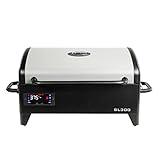
Overview: The Louisiana Grills LG300SL offers impressive searing power in a portable package at an accessible price point. With 333 square inches of cooking space, it balances portability with practical capacity for small families and outdoor adventures.
What Makes It Stand Out: SearTECH technology delivers 1,000°F direct flame searing typically found on larger, more expensive units. The PID digital control board with LED readout provides precise temperature management. Two meat probe ports allow monitoring multiple proteins simultaneously—rare in this class and price range.
Value for Money: At $239.99, this is the most affordable path to true high-heat searing. Comparable portable grills lack PID controls or dual probe capability. You’re getting premium features without the premium price tag, making it ideal for budget-conscious enthusiasts.
Strengths and Weaknesses: Strengths include powerful searing, PID temperature control, dual probe ports, and solid cooking area for a portable. Weaknesses include porcelain-coated steel grids (not cast iron), smaller hopper capacity, and less brand recognition than Pit Boss or Traeger.
Bottom Line: A budget-friendly powerhouse for searing enthusiasts who need mobility. The LG300SL punches above its weight class but compromises on grate quality and hopper size for the price.
4. Z GRILLS 200A Table Top Wood Pellet Grill, Pellet Smoker with PID V2.1 Controller, Meat Probes, 202 sq.in Cooking Area, Fit for RVs, Road Trips & Apartments

Overview: The Z GRILLS 200A redefines portability in pellet grilling, measuring just 25"x20"x13". Designed for RVs, apartments, and tailgating, it delivers 8-in-1 cooking versatility in a package that fits anywhere without sacrificing performance.
What Makes It Stand Out: Despite its tiny footprint, the PID V2.1 controller maintains temperatures within +/-20°F accuracy across a 180-450°F range. The 8-pound hopper provides an impressive 10 hours of low-and-slow smoking—outlasting many larger grills. The included meat probes and LCD screen offer full monitoring capability rarely seen in this size class.
Value for Money: At $229.00, it’s the entry point for PID-controlled pellet grilling. Competing portable units lack this precision or hopper capacity. You’re sacrificing cooking area but gaining advanced control and remarkable fuel efficiency.
Strengths and Weaknesses: Strengths include ultimate portability, excellent PID controller, large hopper capacity, and 8-in-1 versatility. The 202 sq.in. cooking area is the obvious limitation, suitable for 2-3 people max. The compact size also means less heat retention in cold weather and potential wind sensitivity.
Bottom Line: Ideal for solo campers or couples prioritizing portability over capacity. The 200A proves that good things come in small packages, but it’s not for feeding crowds or serious smoking sessions.
5. Z GRILLS ZPG-450A Wood Pellet Grill & Smoker with PID V2.1 Controller, 459 Sq in Cook Area, Meat Probe, Foldable Shelf, 8 in 1 BBQ Grill Outdoor Auto Temperature Control, Black

Overview: The ZPG-450A strikes a balance between cooking capacity and backyard practicality. With 459 square inches of cooking space, it handles family meals while the foldable shelf and sturdy wheels enhance usability without demanding excessive patio real estate.
What Makes It Stand Out: The foldable front/side shelf provides instant workspace without permanent footprint expansion—perfect for smaller patios. PID V2.1 technology ensures precise temperature maintenance with auto-tuning fuel and airflow. The high-temperature powder-coated steel construction promises durability, while the lift-and-roll design simplifies repositioning across uneven surfaces.
Value for Money: At $378.25, it competes directly with entry-level Traegers but offers more advanced features. The PID controller and folding shelf add significant value typically found on $500+ units. For those wanting full-size performance without premium pricing, it’s strategically positioned as a feature-rich alternative.
Strengths and Weaknesses: Strengths include smart foldable shelf design, reliable PID V2.1 controller, sturdy construction, and versatile 8-in-1 functionality. Weaknesses include smaller cooking area than similarly priced competitors and basic wheel design that requires lifting to move, which may challenge some users.
Bottom Line: A solid mid-range choice for families wanting convenience and control. The ZPG-450A excels in thoughtful design but sacrifices some cooking space for its compact form factor and mobility features.
6. Z GRILLS 2025 Electric Pellet Grill & Smoker, 700 sq in Cooking Area, Dual-Wall Insulation, PID V2.1 Controller, Meat Probes, Easy Hopper Clean-out, Includes Grill Cover, 8 in 1 Outdoor BBQ, 700D6
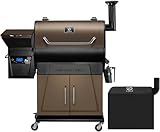
Overview: The Z GRILLS 700D6 represents the brand’s 2025 flagship model, delivering premium pellet grilling technology in a robust package. With 697 square inches of cooking space and the advanced Z-Ultra PID 3.0 controller, this 8-in-1 unit handles everything from low-and-slow brisket to high-heat searing. The dual-wall insulated bottom construction addresses a common pain point for pellet grill owners: temperature stability in adverse weather. Included accessories like the grill cover and dual meat probes add immediate value for serious outdoor cooks.
What Makes It Stand Out: The dual-wall insulation sets this model apart from competitors at similar price points, maintaining consistent temperatures while improving pellet efficiency by up to 20%. The upgraded PID 3.0 controller offers precise temperature management between 180-450°F with minimal fluctuation, while the easy hopper clean-out system eliminates the messy process of changing pellet flavors. The 28-hour continuous cooking capability from a full hopper makes it ideal for overnight smoking sessions without refilling.
Value for Money: At $549, this grill sits in the mid-premium segment but includes features typically found in $700+ units. The included cover ($50 value) and dual meat probes ($30 value) immediately offset the price difference versus base models. Compared to Traeger’s comparable Pro 780 at $899, you’re getting similar capacity and technology for nearly 40% less investment.
Strengths and Weaknesses: Strengths: Superior temperature stability with dual-wall insulation; comprehensive accessory package; massive 28-hour cook time; precise PID 3.0 controller; easy pellet change system Weaknesses: Higher price point within Z GRILLS lineup; heavier construction reduces mobility; some users report app connectivity issues; cover quality could be improved
Bottom Line: For serious enthusiasts wanting premium features without premium pricing, the 700D6 delivers exceptional value. The insulation upgrade justifies the cost difference over entry-level models, making it ideal for year-round grilling in variable climates.
7. Z GRILLS Wood Pellet Grill Smoker with PID 3.0 Controller, 697 Cooking Area, Meat Probes, Rain Cover for Outdoor BBQ, 7002C

Overview: The Z GRILLS 7002C bridges the gap between entry-level and premium pellet grills, offering 697 square inches of cooking space paired with proven PID 3.0 technology. This workhorse unit handles everything from weeknight chicken to weekend party-sized briskets with reliable consistency. The sturdy steel construction and high-temperature powder coating ensure durability through multiple seasons, while thoughtful features like the pellet view window demonstrate attention to user experience.
What Makes It Stand Out: The 28-pound pellet hopper capacity stands out in this price class, enabling up to 28 hours of uninterrupted cooking—perfect for low-and-slow overnight sessions. The integrated pellet view window lets you monitor fuel levels without lifting the lid and losing precious heat and smoke. The included rain cover provides immediate weather protection, addressing a common oversight where manufacturers sell covers separately.
Value for Money: At $479, this model hits the sweet spot for value-conscious buyers wanting full-size performance. It undercuts the comparable Traeger Pro 575 by over $300 while offering similar cooking capacity and technology. The included rain cover and dual meat probes add approximately $80 in value compared to purchasing accessories separately. For those prioritizing capacity over cutting-edge insulation, this represents smart spending.
Strengths and Weaknesses: Strengths: Generous 697 sq in cooking area; massive 28-hour hopper capacity; pellet view window prevents heat loss; solid steel construction; included rain cover and probes Weaknesses: Lacks dual-wall insulation of premium models; controller display could be brighter in sunlight; assembly instructions could be clearer; wheels feel slightly undersized for weight
Bottom Line: The 7002C delivers exceptional capacity and reliability for under $500. It’s perfect for families and entertainers who need consistent performance without paying for the latest insulation technology. A practical choice that doesn’t compromise where it matters.
8. Z GRILLS Wood Pellet Grill & Smoker 8-in-1 Pellet Grill with Automatic Temperature Control,Meat Probes,572 Sq. in Area for Backyard Camping Outdoor Party,Bright Black

Overview: The Z GRILLS 600D2 packs 8-in-1 versatility into a compact footprint, offering 572 square inches of cooking space with precise PID temperature control. This mid-size model targets backyard enthusiasts who want authentic wood-fired flavor without committing to a massive grill. The bright black finish and heavy-duty steel construction provide durability while the dual-zone heating system offers flexibility for different cooking methods simultaneously.
What Makes It Stand Out: The ±5°F temperature accuracy from the upgraded PID controller ensures restaurant-quality results whether you’re smoking brisket at 225°F or searing steaks at 450°F. The efficient two-tiered grate system maximizes the 572 square inch capacity, fitting 24 burgers or 5 rib racks—impressive for its class. The natural wood pellet system delivers cleaner combustion than charcoal while infusing superior flavor compared to gas grills.
Value for Money: At $390, this grill competes directly with entry-level Traegers and Pit Boss models while offering better temperature stability. The heavy-duty construction and powder-coated lid suggest longevity that cheaper units lack. For apartment dwellers or those with limited patio space, this provides premium features without the premium footprint or price tag of larger models.
Strengths and Weaknesses: Strengths: Excellent temperature precision (±5°F); efficient two-tier cooking design; heavy-duty steel construction; compact footprint saves space; authentic wood pellet flavor Weaknesses: Smaller cooking area than 700-series; shorter hopper capacity limits extra-long cooks; no included cover; single meat probe limits multi-protein monitoring; assembly takes 2-3 hours
Bottom Line: The 600D2 excels for small-to-medium gatherings where space is at a premium. Its precision and build quality punch above its price class, making it ideal for urban grillers and couples who refuse to compromise on performance. A smart mid-range investment.
9. Z GRILLS ZPG 550B2 Wood Pellet Smoker, 8 in 1 BBQ Grill with Latest PID Technology LCD Controller, Auto Temperature Control, Meat Probe, 553 sq in Black

Overview: The Z GRILLS ZPG 550B2 positions itself as the smart choice for pellet grill newcomers, offering 553 square inches of cooking space with the latest PID V2.1 technology. This 8-in-1 unit automates the smoking process, making wood-fired cooking accessible to beginners while satisfying experienced pitmasters. The combination of auto temperature control, hopper clean-out system, and pellet view window creates a user-friendly experience that minimizes the learning curve.
What Makes It Stand Out: The Gen V2.1 PID controller’s real-time auto-tuning actively compensates for weather fluctuations—a feature rarely seen under $400. The protective cover for the control board extends electronics lifespan, addressing a common failure point in budget grills. The hopper clean-out system allows quick pellet flavor changes without vacuuming, while the view window eliminates guesswork about fuel levels during long cooks.
Value for Money: At $389.12, this is Z GRILLS’ most aggressive value play. It undercuts the Pit Boss 440 Deluxe by $60 while offering superior PID technology and a larger cooking surface. The included meat probe and thoughtful features like the control board cover add durability and convenience that budget competitors skip. You’re getting 80% of the premium experience for 50% of the cost.
Strengths and Weaknesses: Strengths: Advanced PID V2.1 controller for under $400; protective control board cover extends lifespan; convenient hopper clean-out and view window; sturdy steel construction; excellent beginner-friendly automation Weaknesses: 553 sq in capacity limits large gatherings; no included rain cover; hopper capacity unspecified (likely 10-15 lbs); wheels are basic plastic; customer service response times vary
Bottom Line: For first-time pellet grill buyers or budget-conscious enthusiasts, the 550B2 delivers impressive technology and convenience. It’s the definition of smart value—prioritizing essential features while cutting non-critical costs. Perfect for small families wanting authentic smoke flavor without complexity.
10. Z GRILLS ZPG-200APro Portable Tabletop Wood Pellet Grill and Smoker, Digital Control, 8 in 1 BBQ Grill for Outdoor Kitchen, Backyard, 202 Sq Inches of Cooking (Black)

Overview: The Z GRILLS ZPG-200APro redefines portable pellet grilling, packing 8-in-1 versatility into a compact 25" x 20" tabletop design. With 202 square inches of cooking space, this unit serves apartment dwellers, campers, and RV enthusiasts who refuse to sacrifice wood-fired flavor for portability. The digital control system maintains temperatures from 180-375°F+, delivering consistent results despite its small footprint.
What Makes It Stand Out: True pellet grill portability remains rare, and the 200APro delivers it without compromising core functionality. The tabletop design fits standard outdoor counters while the efficient pellet system produces authentic smoke flavor that gas portables simply cannot match. Z GRILLS’ 30-year manufacturing experience shows in the reliable digital controls and even heat distribution across the cooking surface.
Value for Money: At $239, this occupies a unique niche—cheaper than most full-size pellet grills yet more capable than portable gas or charcoal options. It costs less than a Traeger Ranger ($400) while offering similar capacity. For solo grillers, couples, or those with strict space limitations, it eliminates the need for separate home and travel grills, effectively saving money long-term.
Strengths and Weaknesses: Strengths: Genuine pellet flavor in portable package; compact footprint ideal for small spaces; 3-year warranty exceeds industry standard; simple digital controls; lightweight for transport Weaknesses: Limited 202 sq in capacity restricts cooking for groups; lower max temperature (375°F+) limits high-heat searing; small hopper requires frequent refilling; no meat probe included; shorter power cord limits placement options
Bottom Line: The 200APro is the perfect secondary grill for enthusiasts or primary cooker for space-constrained users. While it won’t handle large parties, it delivers authentic pellet performance where size and weight matter. An excellent choice for apartment balconies, camping, or tailgating.
Why Pellet Grills Dominate the Sub-$1,000 Market
The Rise of Smart Smoking Technology
Pellet grills have democratized low-and-slow cooking in ways charcoal and offset smokers never could. The genius lies in automation—an auger system feeds compressed wood pellets into a fire pot while a controller manages airflow and fuel delivery to maintain your target temperature within a few degrees. In the under-$1,000 category, manufacturers have refined this technology to near-premium levels, integrating PID (Proportional-Integral-Derivative) algorithms that were once exclusive to high-end models. These microprocessor-controlled systems constantly learn and adjust, compensating for wind, ambient temperature, and even how frequently you peek under the lid.
Value Proposition for Backyard Enthusiasts
What makes this price bracket so compelling is the sweet spot between capability and cost. You’re getting powder-coated steel construction, WiFi connectivity, temperature ranges from 180°F to 500°F+, and cooking surfaces large enough to handle a full packer brisket or three racks of ribs. The trade-offs typically come in the form of thinner metal, smaller hoppers, and fewer customization options—but these compromises rarely impact the final product on your plate. For the weekend warrior who wants to set it and forget it without sacrificing wood-fired flavor, this segment delivers 90% of the premium experience at 40% of the cost.
Understanding Pellet Grill Fundamentals
How Wood Pellet Systems Actually Work
At its core, a pellet grill is a convection oven powered by wood combustion. The auger delivers pellets to the fire pot where a hot rod ignites them. A fan stokes the flames, creating both heat and smoke that circulates around a diffuser plate before reaching your food. This indirect cooking method is what makes pellet grills so forgiving—you’re not battling flare-ups or managing coal placement. The controller’s job is to balance pellet feed rate and fan speed to maintain steady temps, which is why controller quality matters more than any other single component.
Debunking Common Pellet Grill Myths
Let’s kill some misconceptions. First: pellet grills absolutely produce enough smoke flavor when used correctly—especially if you leverage smoke tubes or lower temperature settings during the first few hours of cooking. Second: you can achieve sear marks on sub-$1,000 models, either through direct flame access features or by using aftermarket grill grates. Third: pellet consumption isn’t exorbitant. Most budget models burn 1-3 pounds per hour depending on temperature, meaning a 20-pound hopper gives you 6-10 hours of cook time at smoking temps. Understanding these realities helps you shop with confidence rather than skepticism.
Critical Temperature Control Features
PID Controllers vs. Standard Controllers
This is where your research should start. Standard controllers operate on a time-based feed cycle—pellets are delivered for a set duration, then pause, creating temperature swings of 15-25°F. PID controllers use continuous feedback loops, making micro-adjustments to maintain temps within 5°F of your target. In the under-$1,000 space, many brands now offer PID as standard, but verify the specs. A true PID controller will be marketed as such; vague terms like “digital controller” often mean the older, less precise technology.
The Importance of Temperature Range
Look for a stated range of at least 180°F to 450°F. This covers everything from cold smoking cheese (with a smoke tube) to roasting chickens to baking pizza. Some models advertise 500°F+ caps, which is great for searing, but check owner reviews—manufacturers sometimes measure this at the fire pot, not the grate level. The low end matters just as much; sub-200°F capability gives you more flexibility for delicate smokes and extended cook times without overcooking.
Hot Spot Management and Heat Distribution
Even the best budget grills have temperature variations across the cooking surface. The key is understanding how manufacturers mitigate this. Look for models with heat diffusers that cover the entire fire pot area, and pay attention to grate material—porcelain-coated steel distributes heat more evenly than bare cast iron. Some designs incorporate a thermal sensor in the center of the cooking chamber, which provides more accurate readings than side-mounted probes. When reading reviews, focus on comments about edge-to-edge consistency rather than perfect uniformity, which is unrealistic at this price point.
Construction Quality on a Budget
Steel Gauge Thickness Matters
Here’s a hard truth: you’re not getting 10-gauge steel for under a grand. Most models use 14-16 gauge steel for the body and 13-16 gauge for the lid. That’s perfectly adequate for backyard use if the powder coating is quality. Thicker steel retains heat better and resists denting, but it also adds weight and cost. Focus on finding models where the fire pot and heat diffuser are made from heavy-gauge steel—these components face the most thermal stress and need to withstand warping.
Powder Coating and Rust Prevention
A quality powder coat should feel smooth and even, with no thin spots around welds or corners. Check owner photos for bubbling or peeling after a season of use. Inside the cooking chamber, look for porcelain-coated components rather than bare steel, which rusts quickly. The drip tray is especially critical—porcelain here makes cleanup easier and prevents corrosion from acidic drippings. Some budget models now include stainless steel components in high-wear areas; prioritize these when possible.
Lid Seals and Insulation Basics
Gasket quality directly impacts temperature stability and smoke retention. While premium grills use fiberglass rope gaskets, budget models often rely on metal-to-metal contact with minimal sealing. You can upgrade this later with aftermarket gasket kits, but a tight-fitting lid out of the box is a huge plus. Check for dual-wall construction in the lid—this adds insulation without dramatically increasing cost and helps maintain temps in cold weather.
Cooking Area Realities
Primary vs. Secondary Rack Space
Manufacturers love to advertise total cooking area, but that often includes a small upper rack you’ll rarely use for serious smoking. Focus on primary grate dimensions—that’s where your brisket, pork butts, and rib racks will live. A good rule of thumb: you need about 400 square inches of primary space to comfortably handle a full packer brisket or four racks of baby backs using a rib rack. Secondary space is nice for warming sides or smoking nuts, but don’t let a 700-square-inch total figure sway you if the primary grate is only 350 square inches.
How Much Space Do You Really Need?
Consider your typical cook. For a family of four, 450-500 square inches of primary space is generous. If you regularly host parties or compete in backyard challenges, aim for 600+ square inches. Remember that pellet grills cook most efficiently with some air circulation around food, so cramming every inch isn’t ideal. It’s better to have a slightly smaller, better-built grill than a sprawling model with thin steel and cold spots.
Vertical Cooking Considerations
Some budget models offer vertical expansion options—hanging racks for jerky or sausage, or stackable cooking tiers. These can dramatically increase capacity without a larger footprint. If you’re interested in these applications, verify that the temperature remains consistent at higher levels and that the controller can handle the added thermal mass. Models with rear exhaust ports tend to distribute heat more evenly in vertical configurations than those with side-mounted chimneys.
Hopper Capacity and Pellet Consumption
Runtime Calculations for Long Cooks
A 20-pound hopper is the sweet spot for this price range, giving you 8-12 hours at 225°F depending on ambient conditions. For overnight brisket cooks, that might mean a midnight refill. If you plan on doing many long cooks, prioritize models with 24-pound hoppers or consider aftermarket hopper extensions. Some units feature hopper cleanout doors that let you swap pellet flavors mid-cook—a surprisingly useful feature when you want to finish ribs with cherry after starting with hickory.
Pellet Quality Impact on Performance
Your grill is only as good as your pellets. Budget grills are more sensitive to low-quality pellets that create excessive ash and jam augers. Look for models with angled hopper bottoms and steep auger tubes that minimize pellet hang-ups. The fire pot design matters too—wider pots with good airflow handle ash buildup better than narrow, deep designs. Even the best grill will struggle with pellets containing excessive bark or filler; invest in quality fuel for consistent results.
Flavor Profile Mastery
Wood Pellet Varieties and Pairing
The beauty of pellet grilling is flavor consistency. Unlike lump charcoal or split wood, pellets deliver predictable smoke profiles. In budget models, the smoke production is often lighter than high-end units, which actually gives you more control. You can layer flavors—start with two hours of mesquite for bold punch, then switch to apple for sweetness. Understanding how your grill’s smoke setting works (usually just a lower temperature feed cycle) lets you maximize smoke absorption during the critical first half of the cook.
Smoke Setting Adjustments
Many sub-$1,000 grills feature a dedicated “Smoke” setting that runs the controller at 160-180°F with an aggressive pellet feed. This is your secret weapon for that coveted smoke ring. Use it for the first 2-3 hours on brisket and pork shoulder, then bump to your target temp. Some models allow you to customize this setting through the app—look for this feature if you want to fine-tune your flavor profiles. The difference between a good smoke ring and a great one often comes down to those first critical hours at sub-180°F temps.
Super Smoke Features Explained
A few budget brands now offer enhanced smoke modes that cycle the fan to create more smolder than burn. This increases smoke output without raising temperature. While effective, these modes burn pellets faster and can create more ash. Use them strategically—maybe not for a 12-hour cook, but absolutely for that 4-hour rack of ribs. The key is understanding that more smoke isn’t always better; you want thin, blue smoke, not billowing white clouds that taste acrid.
Versatility Beyond Smoking
Searing Capabilities in Budget Models
The biggest knock on pellet grills is weak sear performance. Budget models address this in creative ways. Some offer direct flame access—essentially a sliding plate that exposes food to the fire pot. Others achieve high temps (500°F+) that, combined with preheated cast iron grates or GrillGrates, produce legitimate steakhouse crusts. When evaluating a grill, check if the sear zone is adjustable or if it’s an all-or-nothing proposition. The best designs let you sear one zone while smoking indirectly in another.
Direct Flame Access
This feature is a game-changer for steak lovers, but it comes with caveats. Direct flame grilling in a pellet unit requires careful monitoring—fat drippings can cause flare-ups. Look for models with flame tamers or diffuser plates that can be easily removed or slid aside. The fire pot should be centrally located to create an even sear zone. Some budget grills achieve this with a simple lever mechanism; others require removing parts. Test this in the showroom if possible—complicated conversions mean you’ll use the feature less.
Multi-Zone Cooking Potential
Even without direct flame, you can create zones. Place a water pan on one side to moderate temperature, or use elevated racks to create distance from the heat source. Some savvy pitmasters place fire bricks in the cooking chamber to absorb and radiate heat, creating more stable temperatures for delicate items like fish while the main grate handles ribs. The best budget grills have enough grate clearance to accommodate these modifications without touching the diffuser plate.
Smart Technology Integration
WiFi and Bluetooth Connectivity
In 2024, WiFi is nearly standard in this price range, but not all apps are created equal. Look for functionality that lets you adjust temperature, set timers, and monitor multiple probes remotely. Bluetooth-only models are limited by range—fine for monitoring from the patio, useless when you’re inside during a rainstorm. True WiFi lets you track a 12-hour brisket cook from your office. Check app store reviews for connectivity complaints; a grill with great hardware but a buggy app will frustrate you weekly.
App Functionality That Actually Matters
Fancy graphs and recipe libraries are nice, but core functionality is what counts. Can you adjust temperature in 5-degree increments? Does the app alert you when pellets are low? Can you name and monitor multiple meat probes? The best apps also track cook history, letting you replicate that perfect pork shoulder exactly. Avoid models where the app is just a remote thermometer—true integration means the app controls the controller, not just reads it.
Firmware Update Considerations
Smart grills receive firmware updates that improve performance and add features. Check if the manufacturer has a track record of supporting older models with updates. Some budget brands treat grills as disposable, never updating the software. Others actively improve PID algorithms and add functionality years after purchase. This extends the useful life of your investment and shows the company stands behind their product. Look for user forums discussing recent updates as evidence of ongoing support.
Portability and Footprint
Wheels, Casters, and Mobility
Your grill will live in your backyard, but you’ll need to move it for cleaning, storage, or tailgating. Budget models often skimp on wheel quality—look for large, locking casters, not cheap plastic wheels. The weight distribution matters too; a grill that’s back-heavy can tip when moving. Test the mobility in-store if possible. A grill that’s difficult to move is a grill that won’t get cleaned properly, leading to premature rust and grease fires.
Compact Designs for Small Spaces
Urban pitmasters need efficient footprints. Some sub-$1,000 models offer vertical designs that pack significant cooking area into a 30-inch width. Others feature fold-down shelves that reduce depth for storage. Pay attention to hopper placement—side hoppers increase width but make pellet loading easier. Rear hoppers save space but can be awkward to fill. Your available space should dictate this choice more than any other factor; a grill that doesn’t fit comfortably won’t get used.
Weight vs. Stability Trade-offs
Budget grills typically weigh 100-150 pounds, light enough for two people to move but heavy enough to stay put in wind. If you live in a gusty area, look for models with lower centers of gravity and wide-set legs. Some grills include anchor points for securing to a deck. Conversely, if you’ll be moving it frequently, consider weight-saving features like removable hoppers or detachable carts. The sweet spot is a grill that feels solid when cooking but isn’t a hernia risk to reposition.
Cleaning and Maintenance Demands
Ash Management Systems
After five cooks, ash buildup impacts performance. The best budget grills feature slide-out ash cups or drawers that let you clean the fire pot without vacuuming the entire chamber. This 30-second task, done every few cooks, prevents temperature swings and auger jams. Models without this feature require shop vac access after every long cook—a serious inconvenience. Check how the ash cup seals; a poor seal lets ash blow around the cooking chamber, coating your food.
Grease Management Solutions
A well-designed grease system routes drippings away from the fire pot into a removable bucket. The slope of the drip tray matters—too shallow and grease pools, creating a fire hazard. Too steep and you lose usable cooking space. Look for trays with channels or grooves that direct flow. The bucket should be large enough for a 6-hour cook and positioned where it won’t get kicked accidentally. Some models include disposable foil bucket liners—small details that make maintenance less of a chore.
Long-Term Upkeep Costs
Budget for a shop vac, grill brush, and foil for the drip tray. Some grills require proprietary drip tray liners that add $50-75/year to operating costs. Check parts availability and pricing for common wear items like temperature probes and fire pot gaskets. A $700 grill that needs $150 in proprietary parts after two years is more expensive than a $900 grill with cheap, universal replacement components. Search for parts diagrams before buying to assess future costs.
Warranty and Customer Support
What to Expect in This Price Range
Typical warranties run 3-5 years on structural components, 1-3 years on electrical parts, and 30 days on paint and accessories. Read the fine print—some warranties are prorated, meaning coverage decreases each year. Others exclude “normal wear and tear,” which can be broadly interpreted. Look for manufacturers with US-based support and active social media presence; this indicates responsiveness when issues arise. The warranty is only as good as the company honoring it.
Reading Between the Warranty Lines
A five-year warranty on the steel body sounds impressive, but if the fire pot and electrical components are only covered for one year, you’re vulnerable to the most common failures. Some brands offer extended warranties for registration—always register your grill. Check owner forums for warranty claim experiences. A company that quickly ships replacement parts without hassle is worth a premium. One that requires you to ship the entire grill back for a faulty probe is a nightmare.
Safety Features You Shouldn’t Overlook
Automatic Shut-off Systems
Quality budget grills include multiple safety shut-offs: if the temperature probe fails, if the fire goes out, or if the grill overheats. These systems should cut power to the auger and fan, preventing pellet overflow and potential fires. The best designs also have a manual reset requirement, ensuring you investigate the problem before restarting. Check if the grill has a cool-down cycle that runs the fan after shutdown—this prevents pellet smoldering in the fire pot.
Fire Pot Design and Safety
The fire pot should be positioned away from grease flow paths and include a flame-out sensor. Some budget models locate the pot directly under the grease tray’s drain hole—a disaster waiting to happen. The pot design should promote complete combustion, reducing the risk of pellet jams that can cause auger fires. Look for designs with visible fire pot access for inspection and cleaning. A fire pot you can’t easily see is a fire pot you can’t maintain.
Assembly and First-Time Setup
Tools You’ll Need
Most grills require a Phillips head screwdriver, adjustable wrench, and sometimes a socket set. Quality manufacturers include tools, but they’re often flimsy. Plan on using your own. Assembly typically takes 1-3 hours; some models arrive mostly assembled, others are flat-pack nightmares. Check YouTube for assembly videos before buying—if the manufacturer doesn’t provide one, it’s often a red flag about complexity or poor instructions.
Common Assembly Pitfalls
The most frequent mistake is overtightening bolts before all components are aligned, which can warp the frame and prevent the lid from sealing properly. Follow the torque specs if provided. Another issue is improper fire pot positioning—if it’s not seated correctly, temperature accuracy suffers. Take photos at each step; they’ll help during disassembly for deep cleaning or part replacement. Save all packaging until you’ve completed a test cook; returning a partially assembled grill is nearly impossible.
Making Your Final Decision
Creating Your Personal Feature Priority List
Rank your must-haves: Is WiFi non-negotiable? Do you need direct flame searing? Will you be cooking in winter? Assign points to each feature and score models objectively. This prevents impulse buys based on flashy marketing. Remember that every dollar under $1,000 represents a trade-off; the perfect grill doesn’t exist, but the perfect grill for your needs does. Be honest about how you’ll actually use it, not how you imagine you might.
Seasonal Buying Strategies
The best times to buy are February-March (clearing last year’s inventory) and September-October (end of grilling season). Some manufacturers release new models in April, making previous versions available at discounts. Black Friday deals are tempting but often move lower-tier stock. Consider buying from retailers with price-match policies and generous return windows. A 90-day return policy gives you time for multiple test cooks, ensuring the grill meets expectations before you’re committed.
Frequently Asked Questions
How long should a budget pellet grill last with proper maintenance?
Expect 5-7 years of reliable service with regular cleaning and covered storage. The fire pot and hot rod may need replacement every 2-3 years, but these are inexpensive parts. The steel body should last a decade if the powder coating remains intact. Rust is the primary killer—keep it covered and touch up chips immediately.
Can I really get a good smoke ring from a sub-$1,000 pellet grill?
Absolutely. Smoke rings form from nitrogen dioxide interacting with meat proteins, which occurs most effectively at lower temperatures (170-190°F). Use your grill’s Smoke setting for the first 2-3 hours, keep the lid closed, and ensure you’re using quality pellets. A smoke tube can enhance ring formation, but proper technique matters more than price tag.
What’s the biggest performance difference between $600 and $900 grills?
The $300 jump typically buys thicker steel (better heat retention), larger hoppers (longer runtimes), more robust wheels, and superior app functionality. You’ll also see better warranty terms and more stainless steel components. Diminishing returns kick in around $800—beyond that, you’re paying for brand prestige and marginal gains.
Are WiFi pellet grills worth it for beginners?
Yes, especially for long cooks. The ability to monitor and adjust remotely builds confidence and prevents costly mistakes. However, ensure the app is intuitive—some budget WiFi grills have clunky interfaces that frustrate more than they help. A simple PID controller without WiFi is better than a bad WiFi implementation.
How do I prevent pellet jams in budget models?
Use high-quality pellets with low dust content, store pellets in airtight containers, and empty the hopper after each cook in humid climates. Run the grill’s shutdown cycle completely to clear the auger, and vacuum the fire pot regularly. Angled hopper designs prevent pellet bridging better than square hoppers.
Can I use a pellet grill in winter?
Yes, but expect 20-30% more pellet consumption and longer preheat times. Choose a model with a double-wall lid and consider an insulation blanket for sub-freezing cooks. Position the grill out of direct wind, and avoid opening the lid frequently. The PID controller will compensate, but extreme cold tests the limits of budget insulation.
What’s the ideal first cook to test a new pellet grill?
Pork shoulder is forgiving and reveals a grill’s strengths and weaknesses. It requires a long cook (testing temperature stability), produces significant drippings (testing grease management), and benefits from smoke flavor. You’ll learn your grill’s pellet consumption rate and temperature recovery time after lid opens. Plus, it’s hard to ruin, building your confidence.
How often should I clean my pellet grill?
Quick clean the grates after each cook, empty the grease bucket when half full, and vacuum ash from the fire pot every 20 hours of cooking time. Deep clean the entire cooking chamber, including the drip tray and heat diffuser, every 3-4 months of regular use. More frequently if you cook fatty meats often.
Do I need a sear box attachment?
Not necessarily. Many modern budget grills achieve 500°F+ temps sufficient for searing, especially with GrillGrates. Direct flame access provides even better searing. A sear box is a nice-to-have that adds cost and complexity. Master your grill’s existing capabilities first; you can always add a propane sear station later if needed.
What’s the most overlooked feature in this price range?
Hopper cleanout doors. Being able to quickly swap pellet flavors mid-cook or remove pellets before storage is a small feature with huge practical impact. Grills without this require scooping pellets by hand or running the hopper dry. It’s a $5 manufacturing feature that saves hours of frustration over the grill’s lifetime.